Ethiopia-Where every image has a story
In 2024, Linda and I traveled to Ethiopia when we had a break between leading our two safaris. We had just had one of the most amazing experiences of seeing the migration crossing the Mara River in Tanzania. We saw it happen four times in one day and feel super fortunate to have experienced this incredible movement of animals. You can check out the video here “11 Days in Tanzania”
Our goal was to spend 10 days in the Omo Valley, hoping to meet numerous tribes to photograph, like the Suri (Surma) and Mursi tribes. For the few previous years, Linda and I had been inspired by three photographers who have brought the Omo Valley, and specifically the Suri tribe, into the forefront with their amazing photos: Giovanna Aryafara, Piper Mackay, and Jayne McClean. The inspiration from their Instagram feeds had us hooked. Though they offer their own tours to the Omo, we felt that we could arrange this trip on our own and worked with a local tour company to put everything in place.
We initially flew into Addis Ababa and did the typical first-time visitor circuit there, including a visit to see Lucy. A few days after arriving in Addis, we boarded a flight to Jimma to meet our guide, Ermi, and our driver, Giddy. In our minds, the sole focus was getting to the tribes and beginning our photography adventure, but we were in for a surprise. The journey to reach them turned out to be an adventure in itself. The old saying “It’s not the destination, but the journey that is important” felt 100% true in this case.
Ethiopia is far more lush than I expected, and I had no idea it would be such a beautiful country, especially during the drive from Jimma. In my mind, I was remembering the commercials in the 1980s and the song “Do They Know It’s Christmas?” and the Live Aid concert, which raised over $100 million to help as a result of the 1984 famine that struck the country.
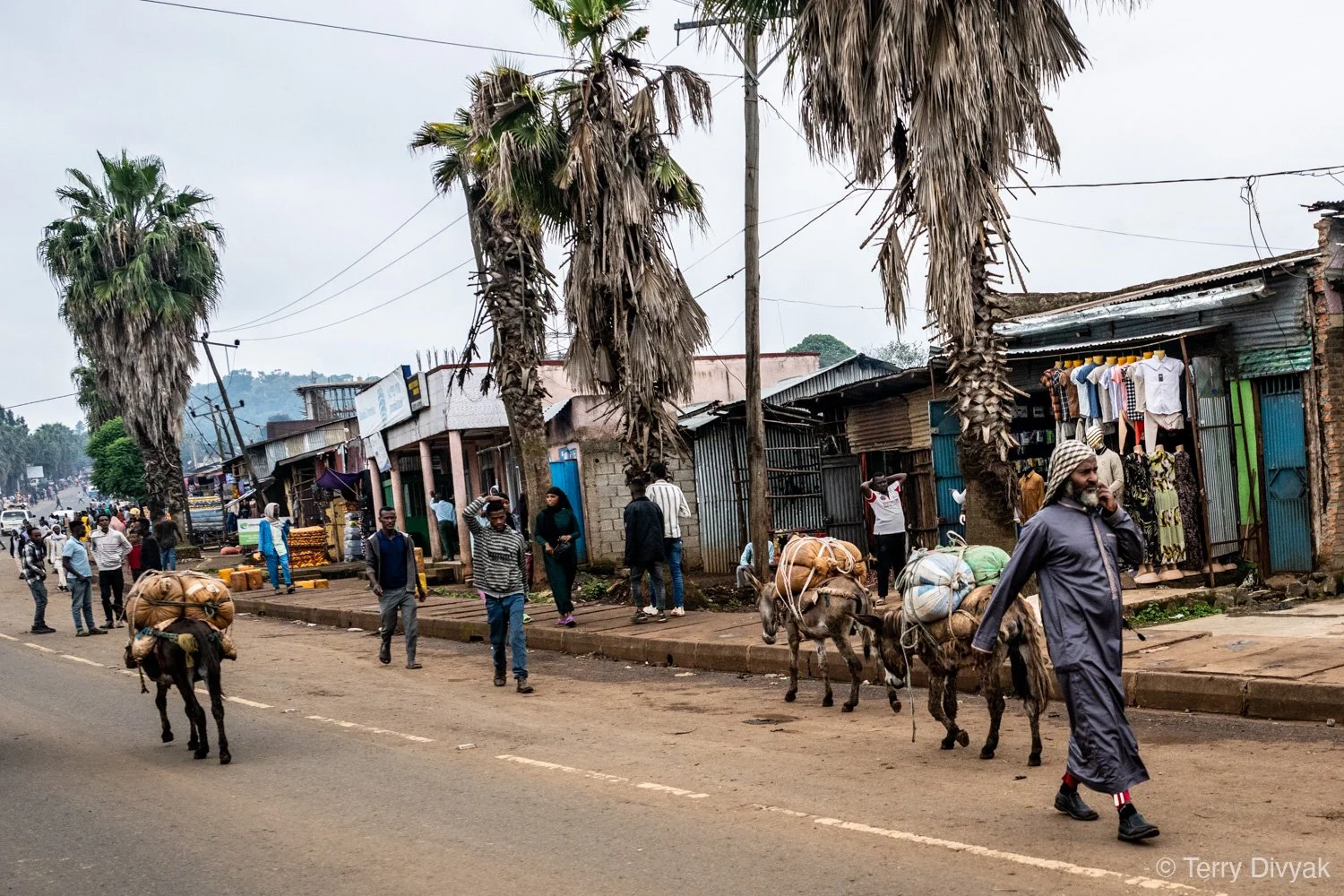
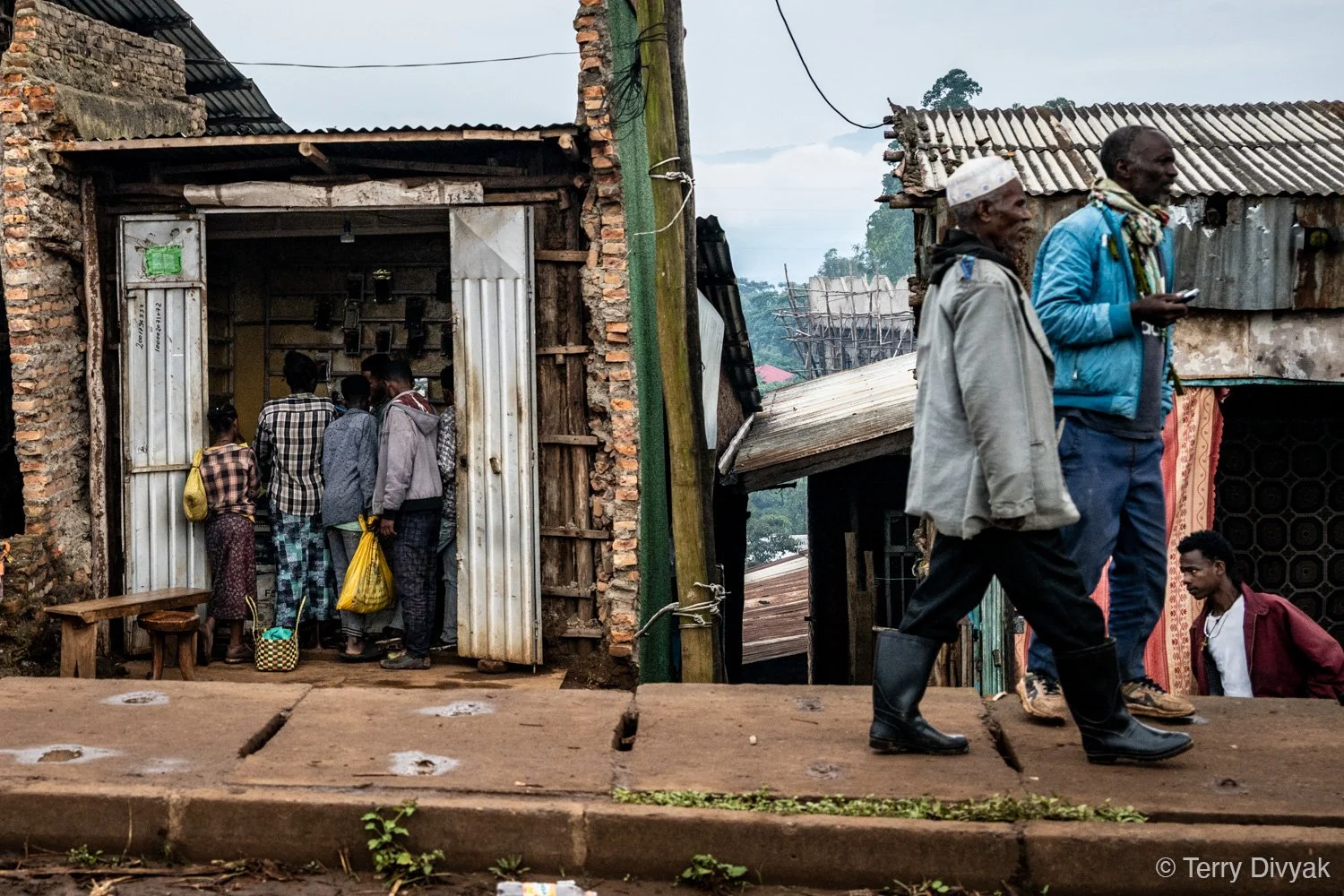
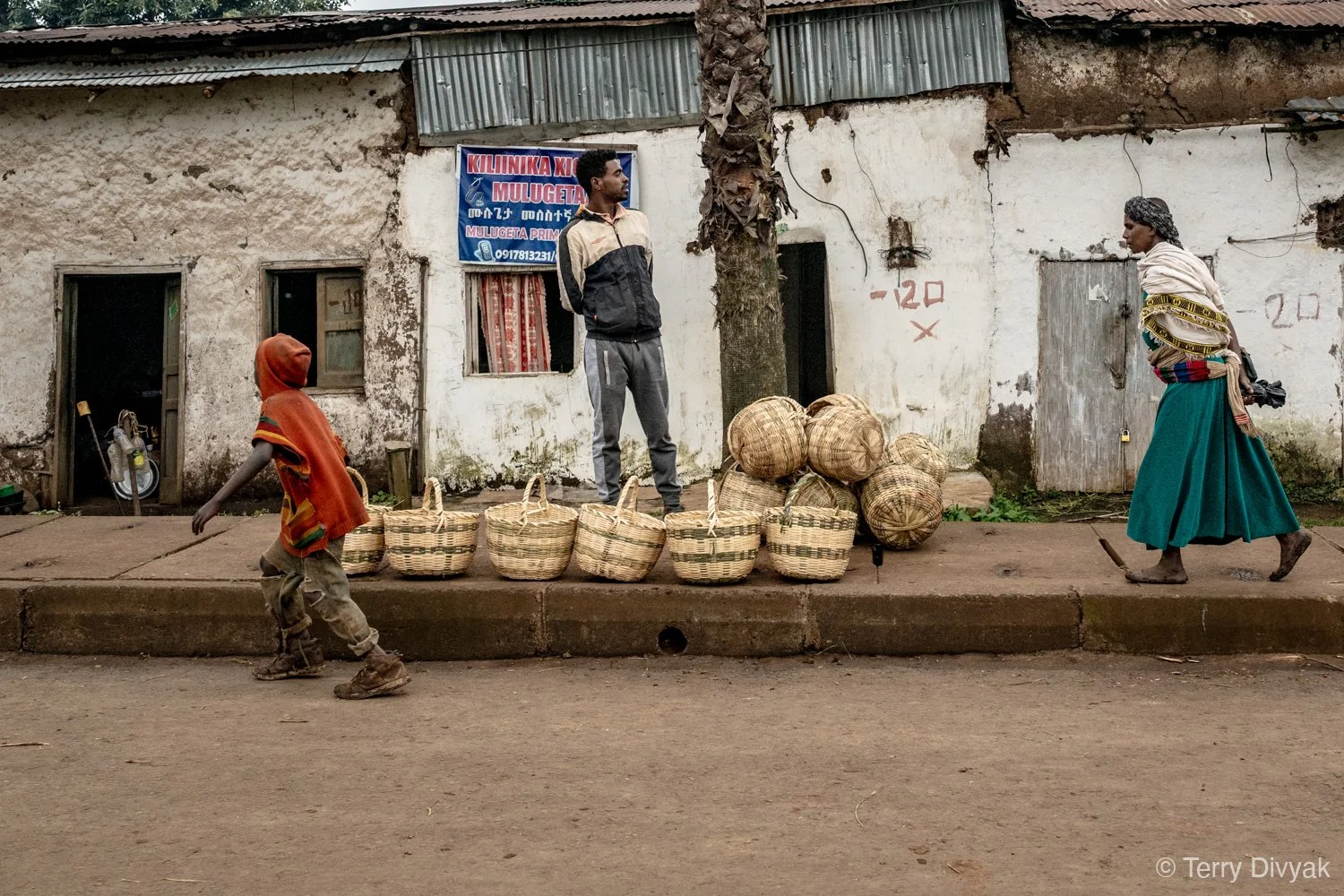
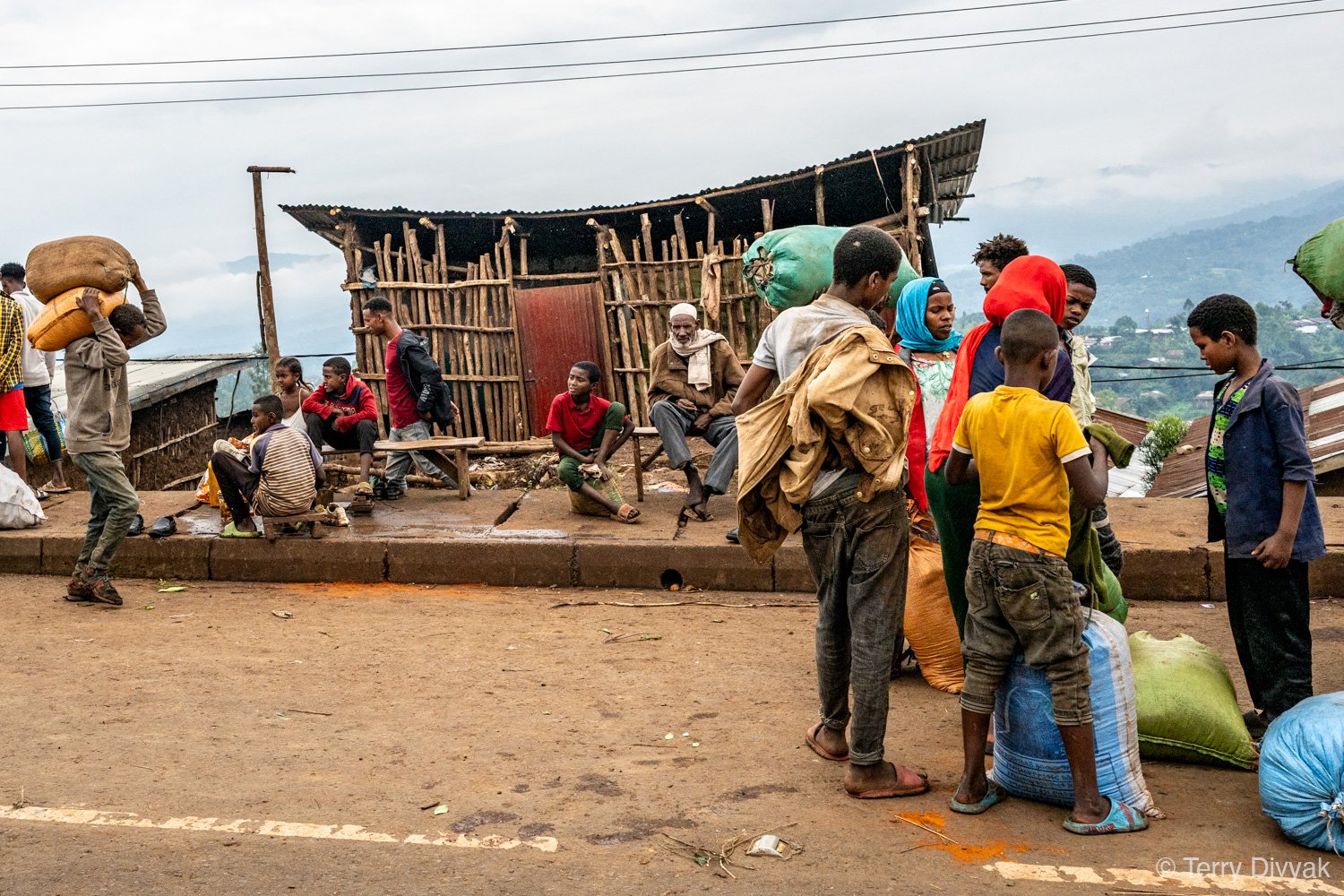
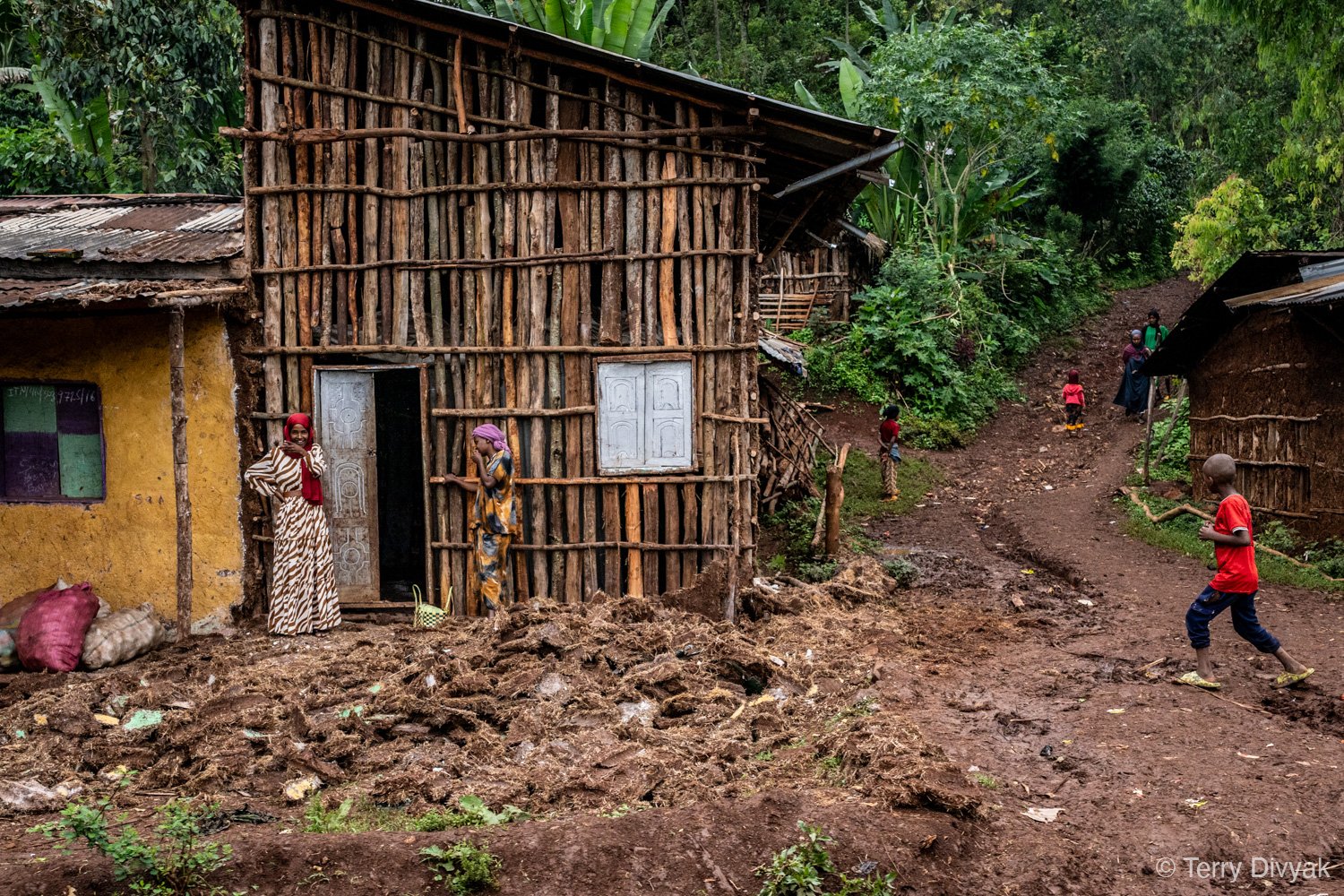
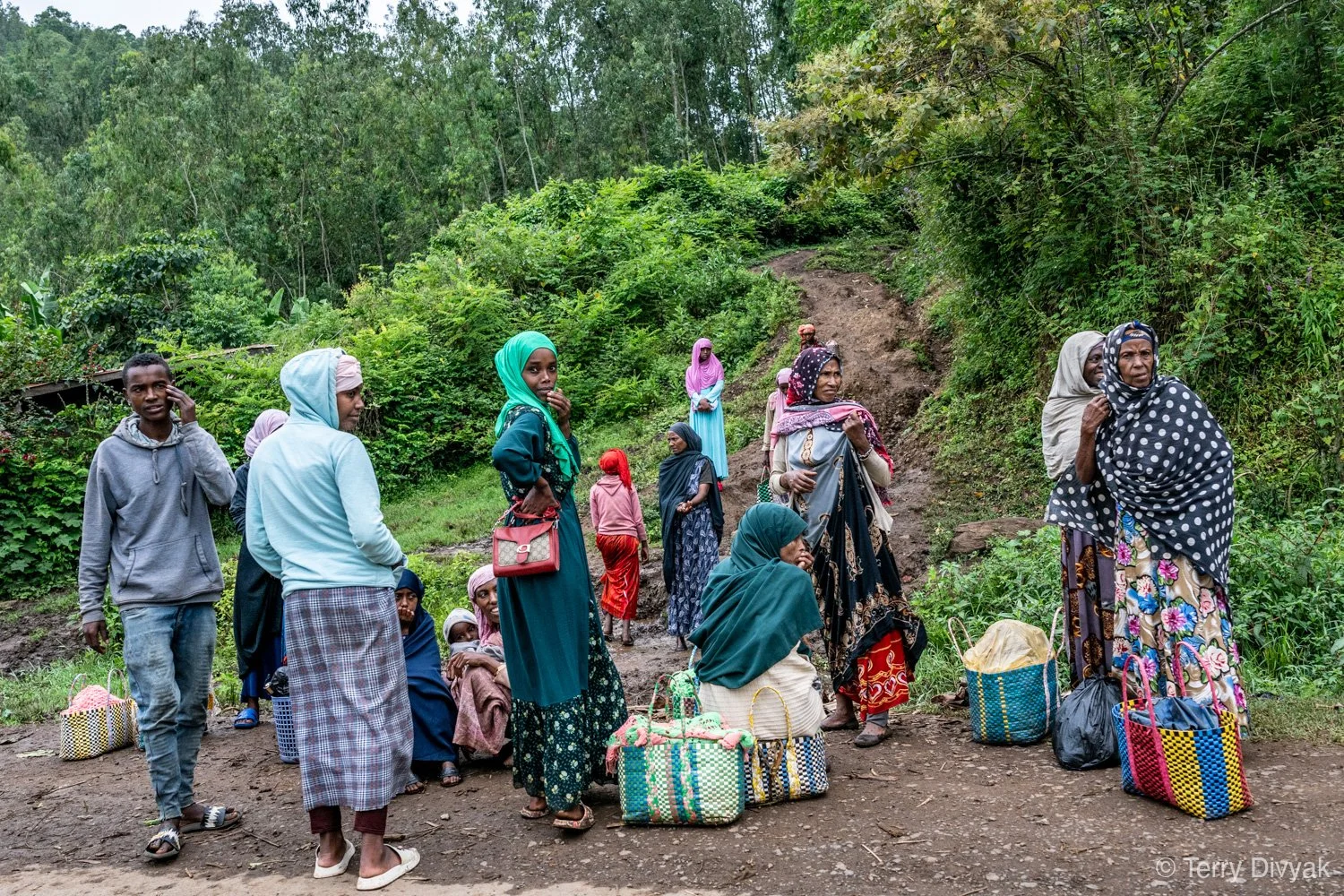
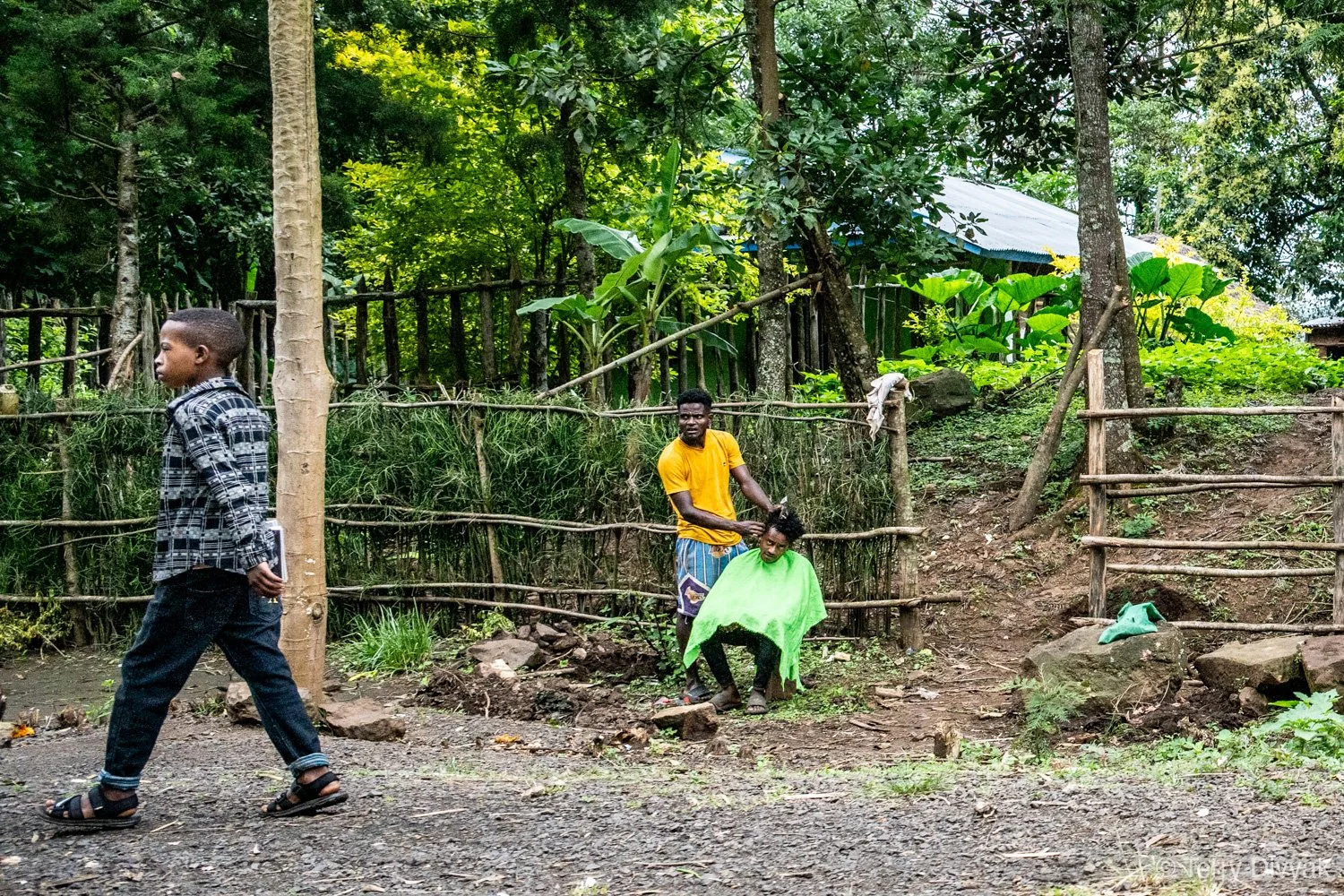
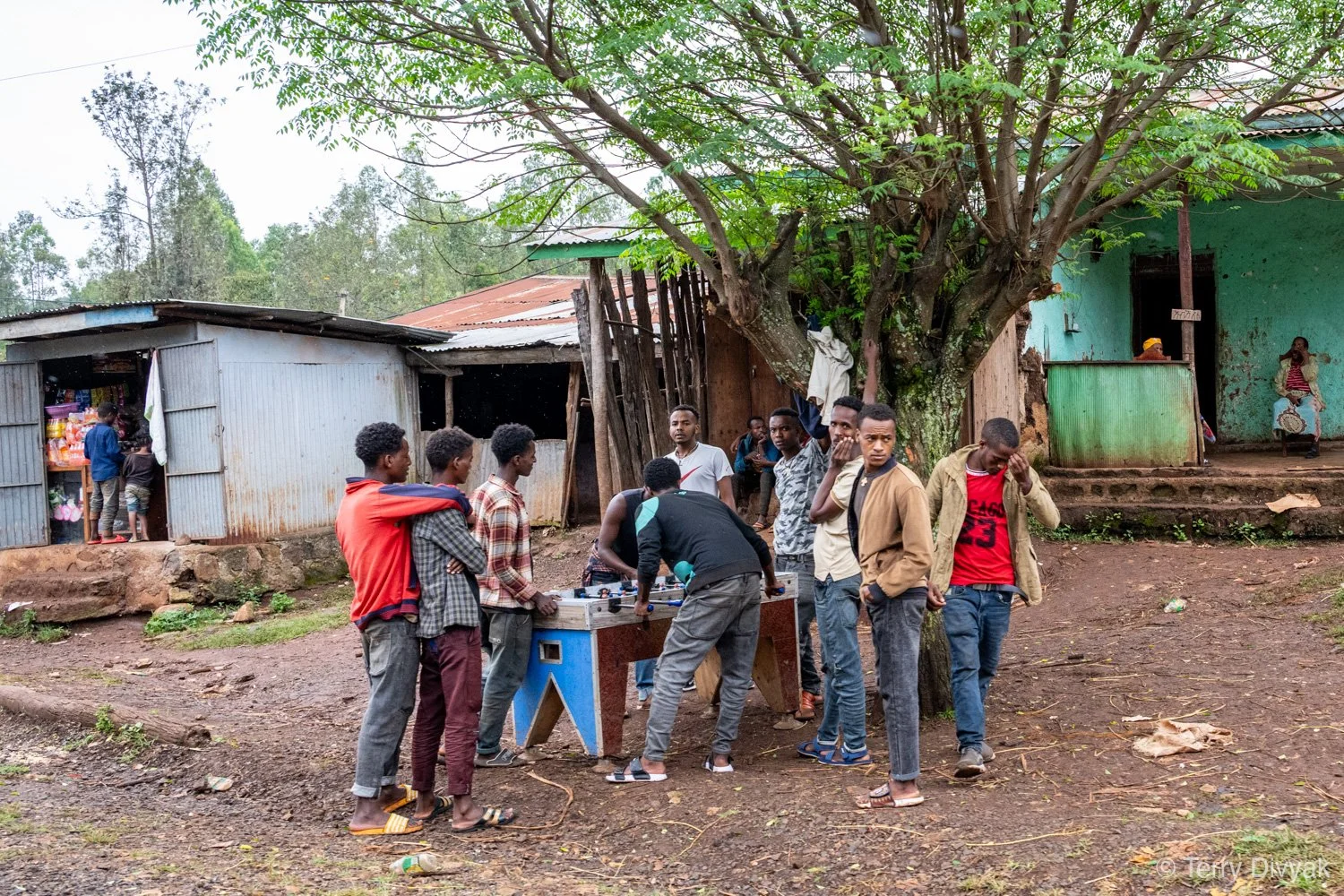
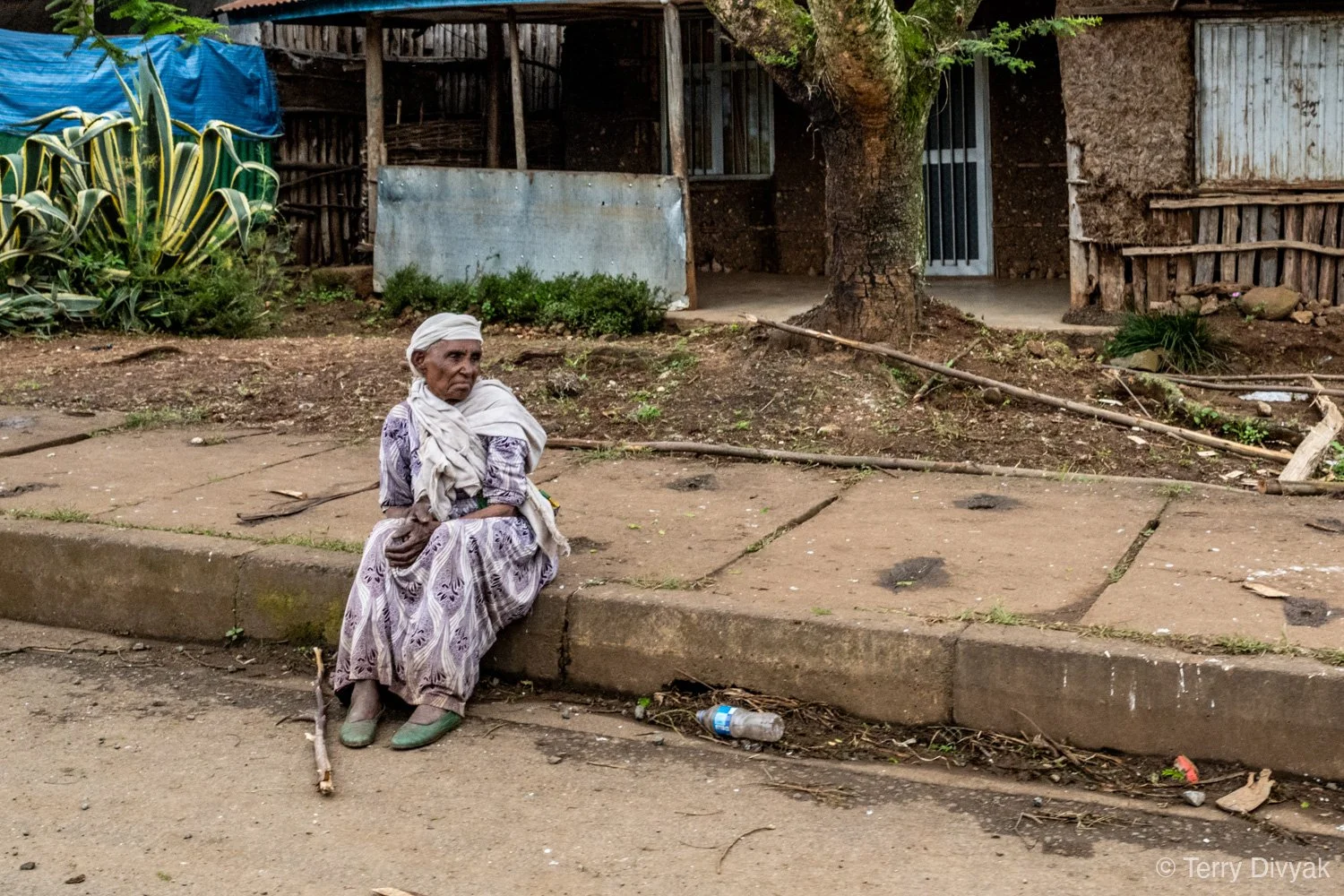
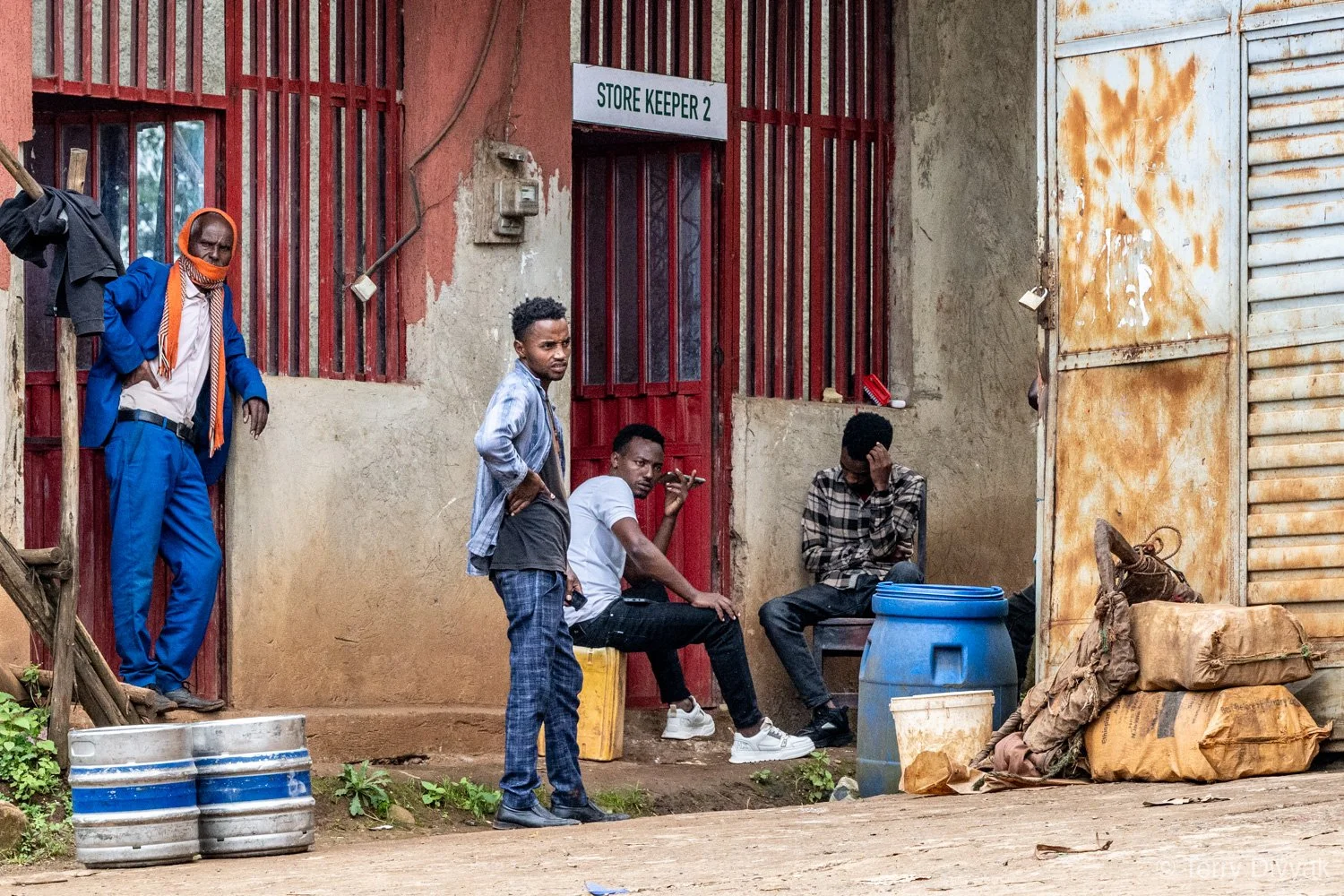
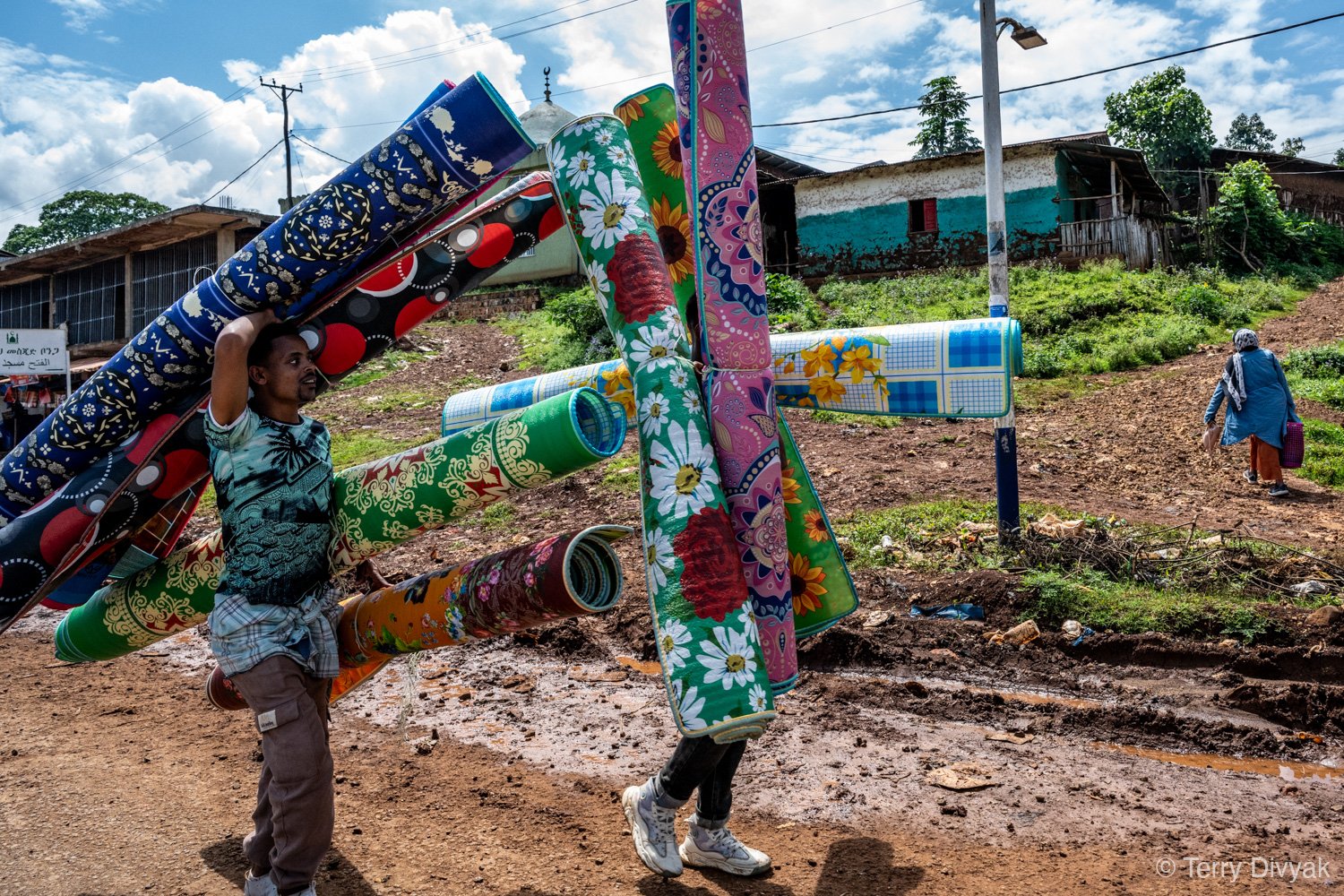
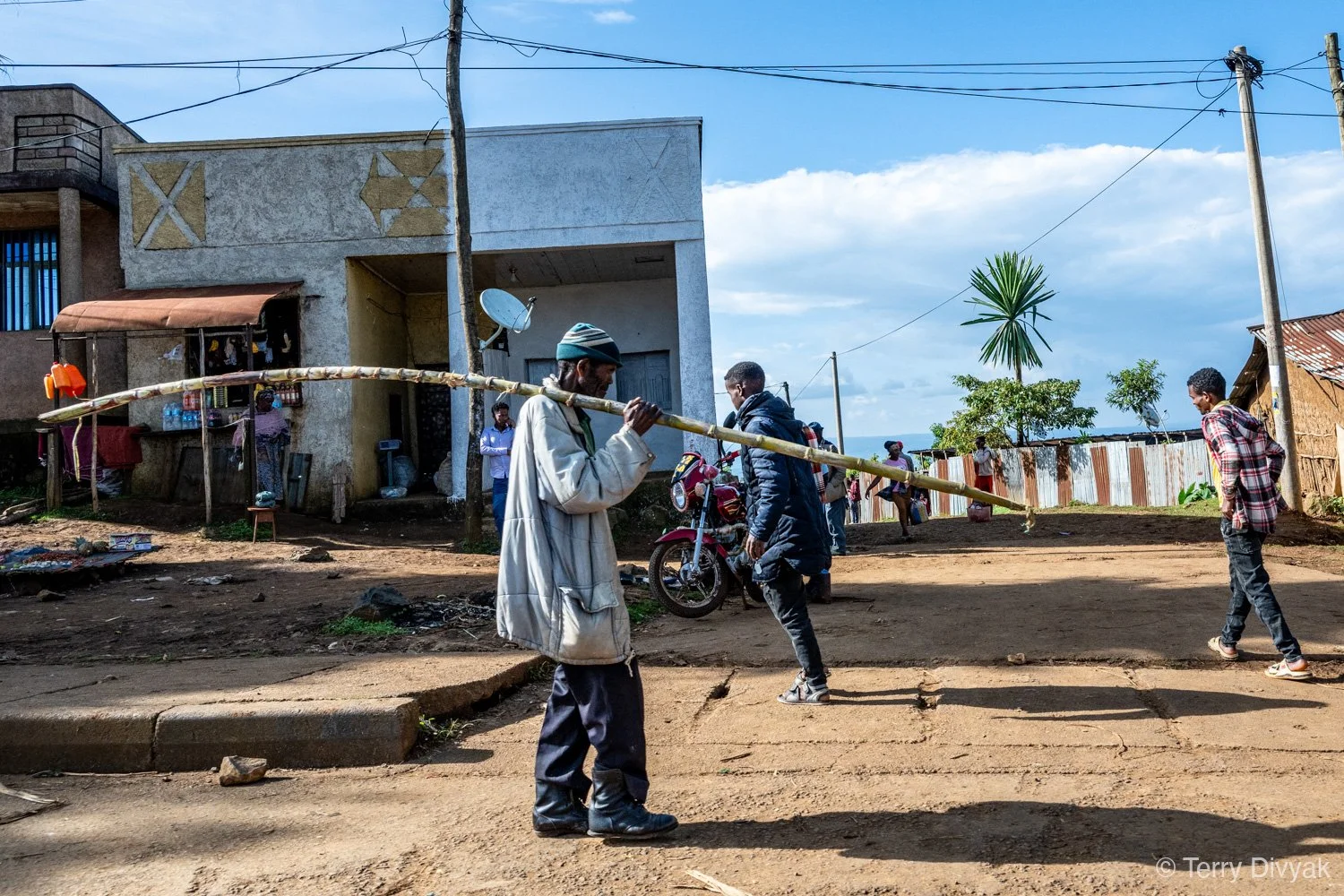
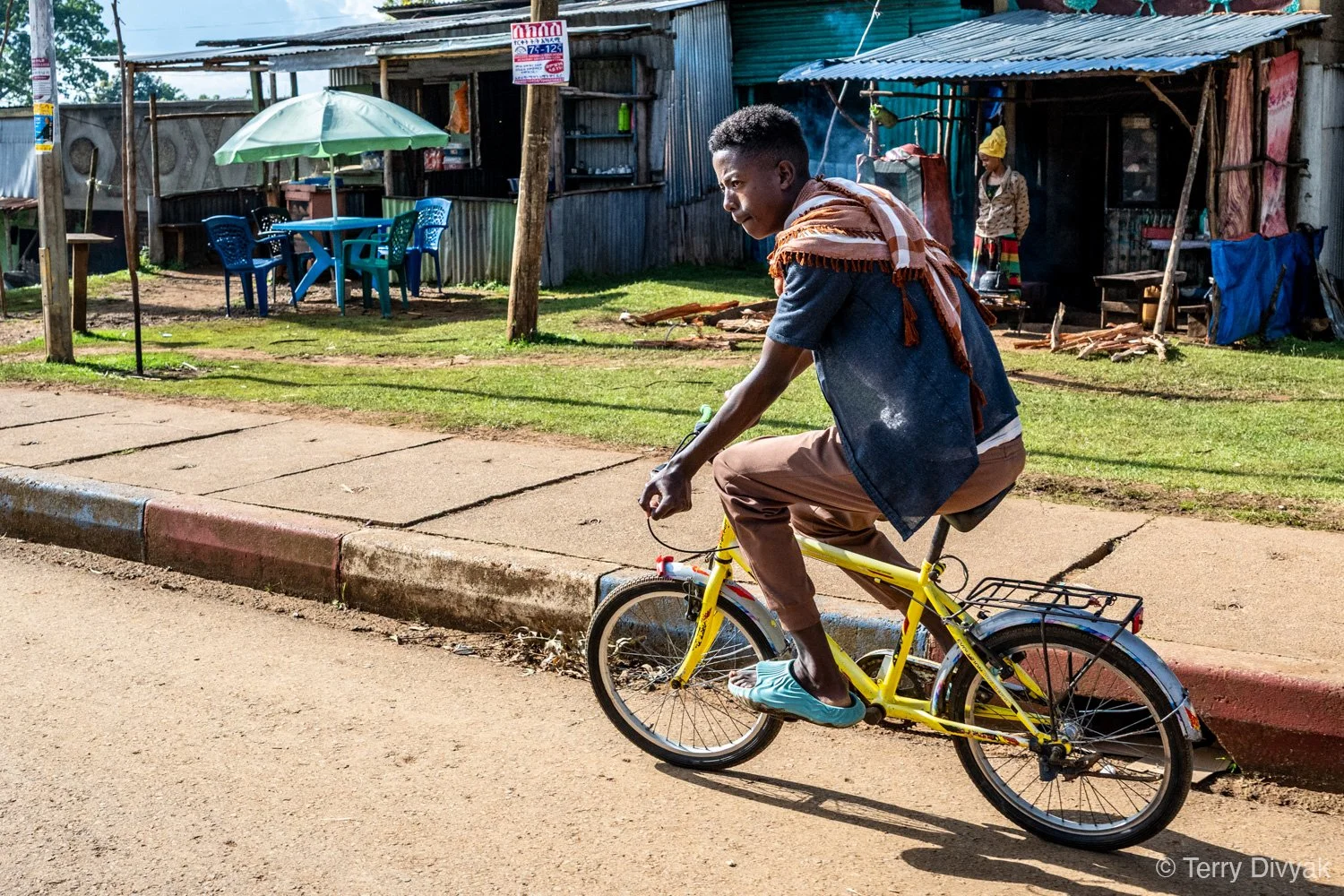
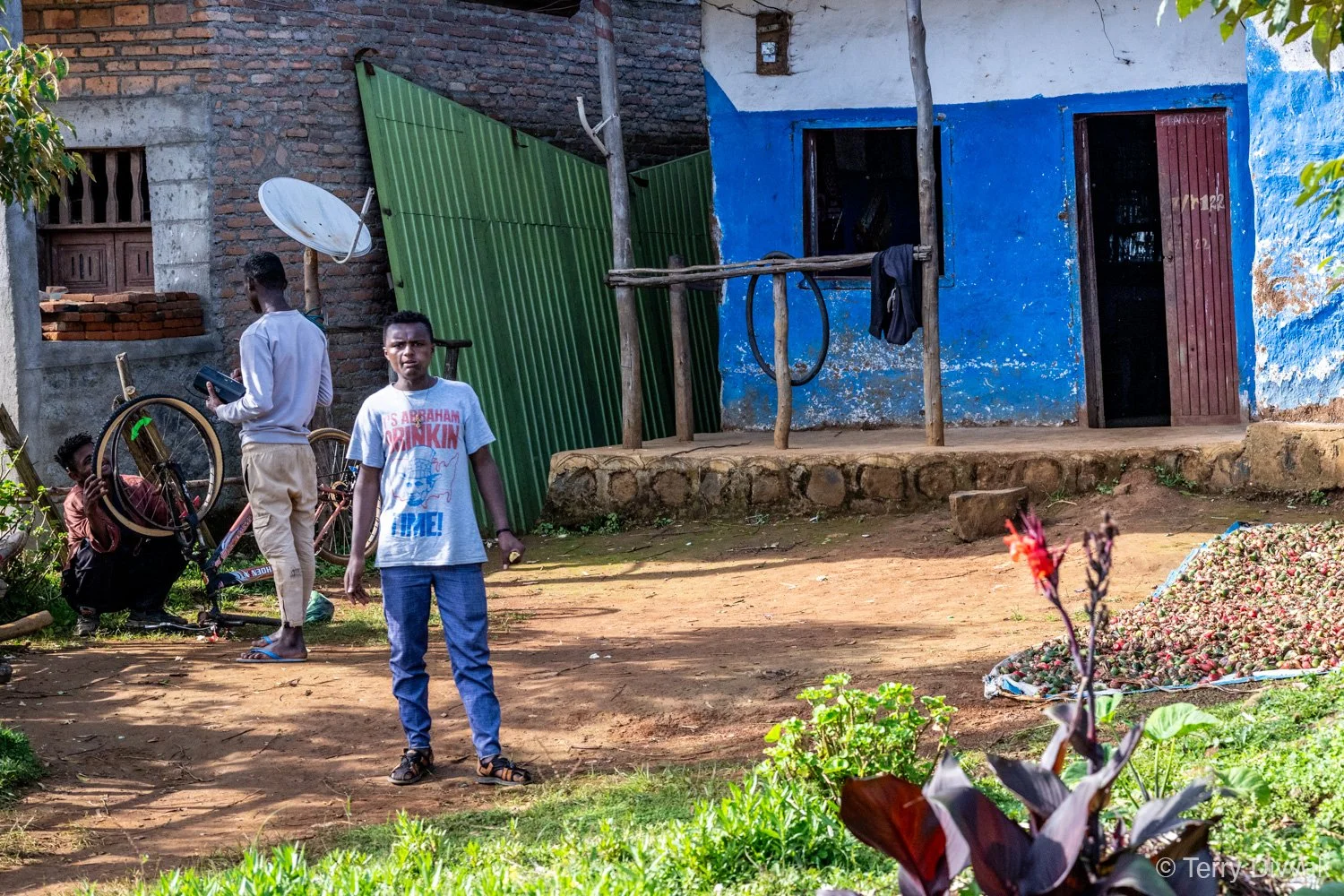
A common street scene in Ethiopia
The drive started around 11 a.m. as we hit the road toward Mizan. When Linda and I are leading safaris in Tanzania, we love the stretch between Arusha and Tarangire National Park, there’s so much to see as we pass through different landscapes, and we always encourage our guests to photograph the drive. So we were super excited to watch this part of Ethiopia unfold before us, and we made sure we were shooting at a higher shutter speed to freeze the action.
It wasn’t until the winter of 2025 that I really sat down and went through the images again. Sometimes after you travel, you need to put the camera down, close the laptop, and step away for a while so you can come back to the photos and appreciate them even more.
What pulled me back to these images was actually Linda’s work. One day while she was at work, I started scrolling through her photos. She’s a fantastic photographer, but she doesn’t always give herself enough credit. I wanted to give her a bit of a confidence boost, so I dove into her images from the drive and began editing them, studying each frame and looking for those that held a story. Often, a simple crop or a slight straightening can make a huge difference. When I surprised her with the edited images, she was genuinely thrilled. I could see her confidence grow as she started to “see” her photographs in a new light.
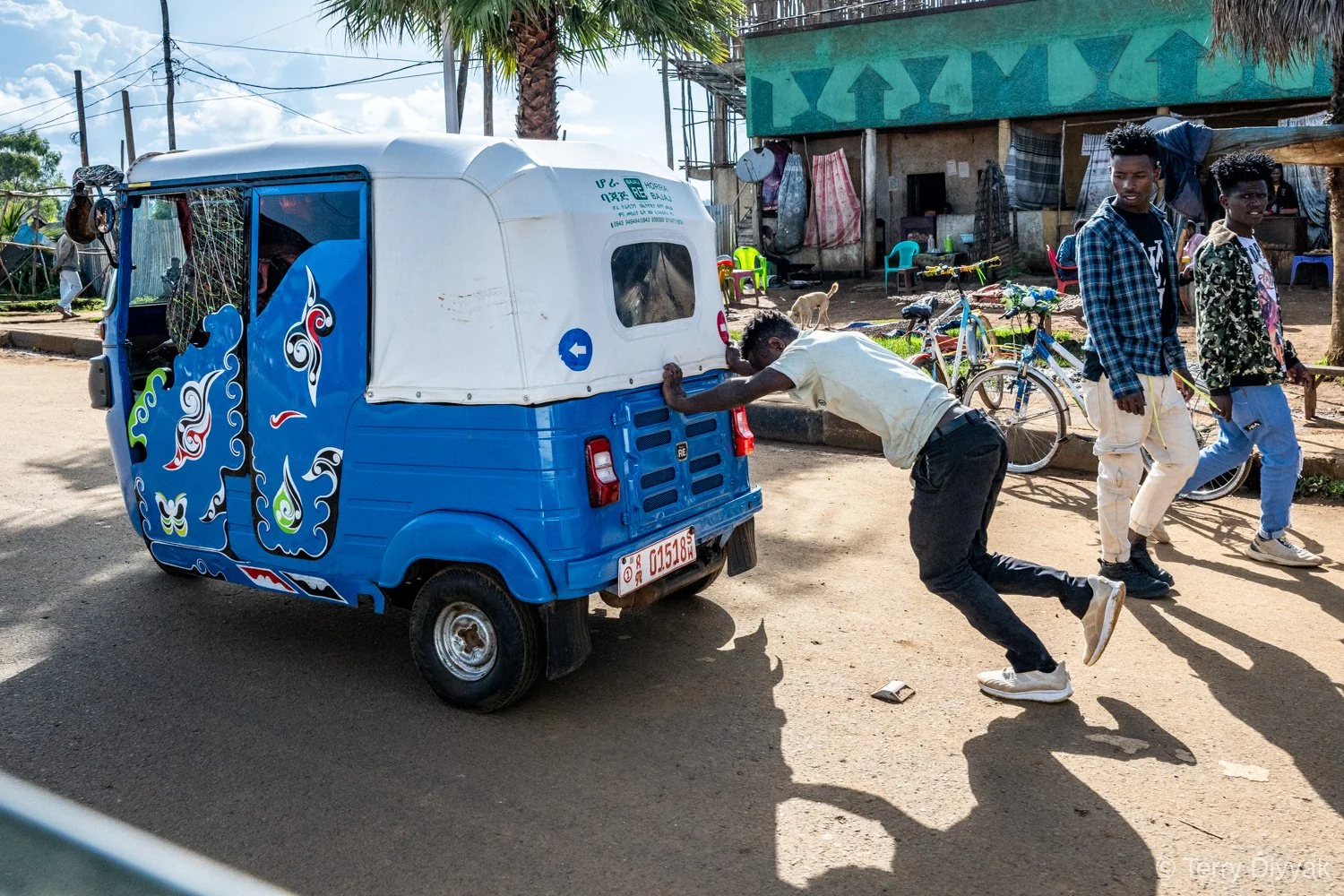
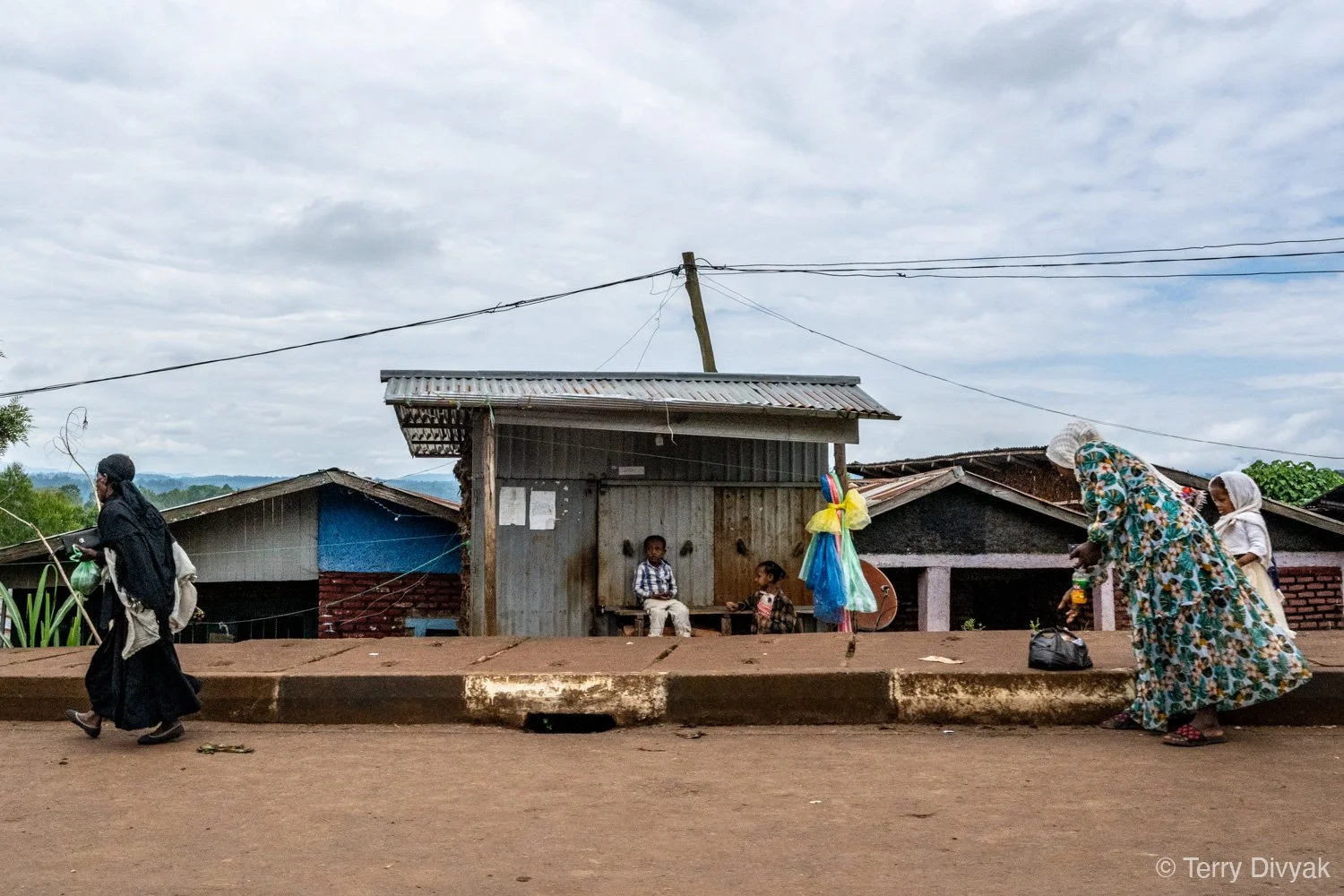
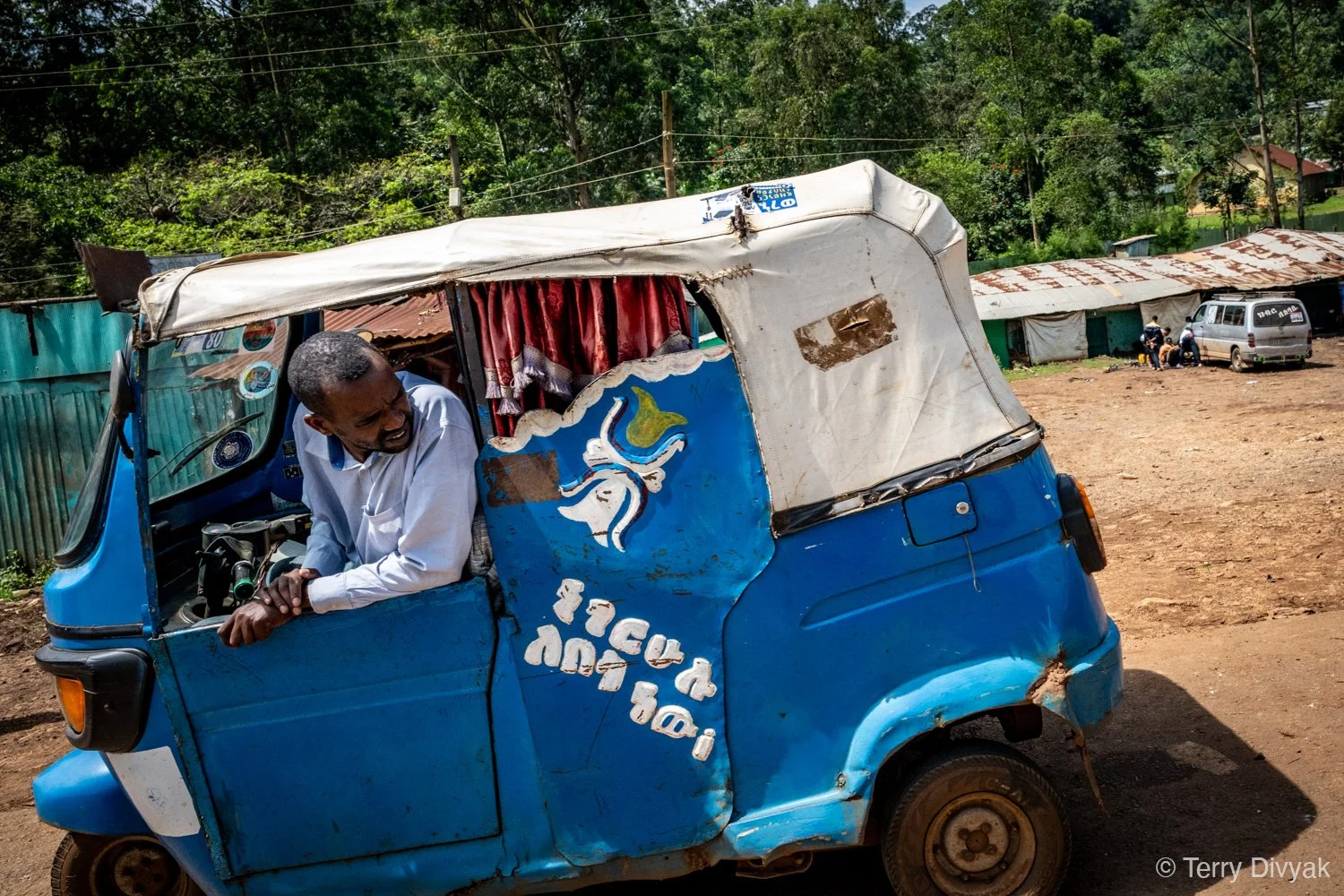
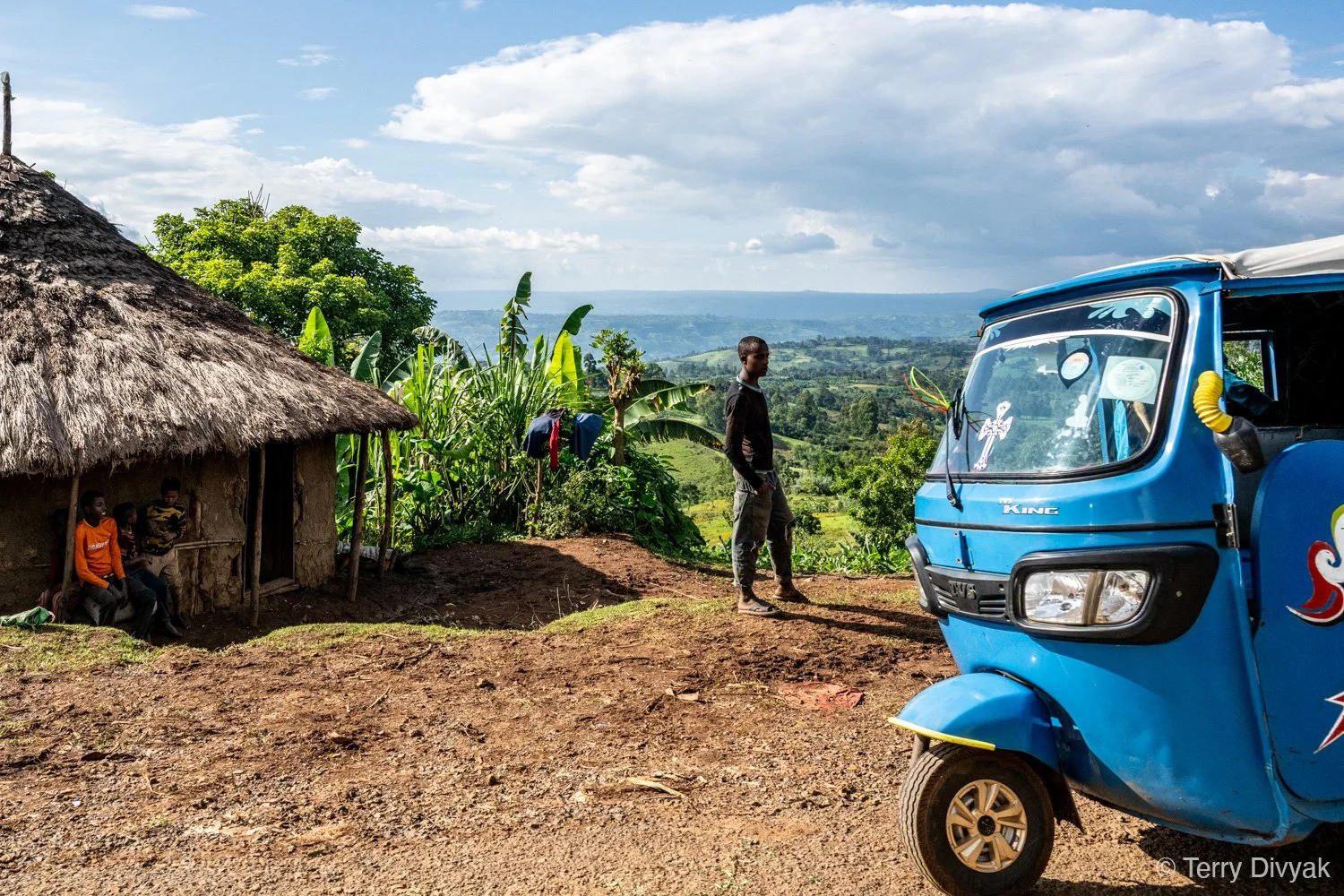
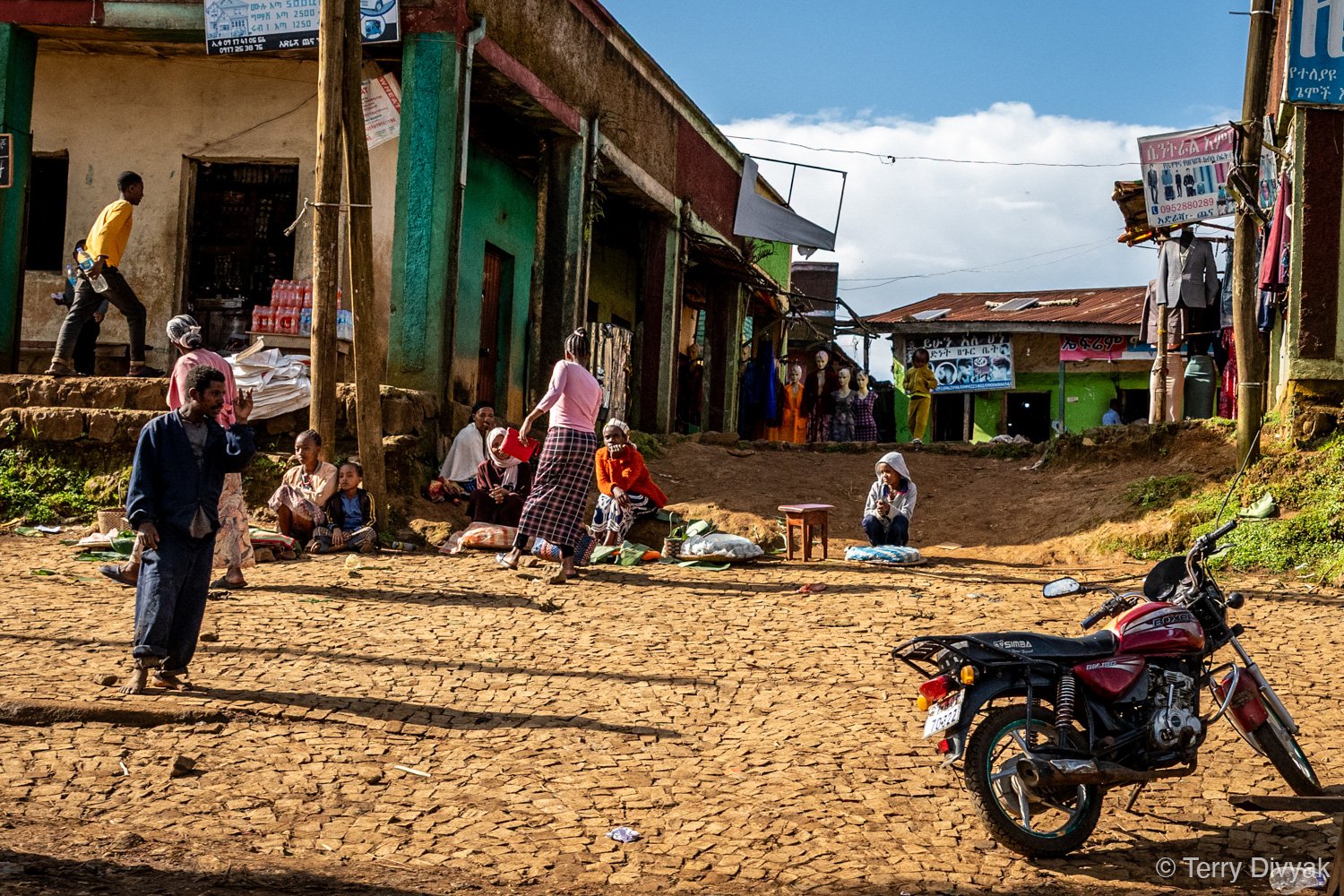
Pushing a Bijaj uphill
I thought, “Hey I need to revisit mine as well”. I had gone through and edited the obvious ones, but I dove a bit deeper into the story telling side of the images and what a thrill it was to revisit these. I brought them into Adobe Bridge and looked at each one, marking them with a 1 star for further review and once I had gone through close to a thousand, I had culled it down to a little over 100 and then started working with them.
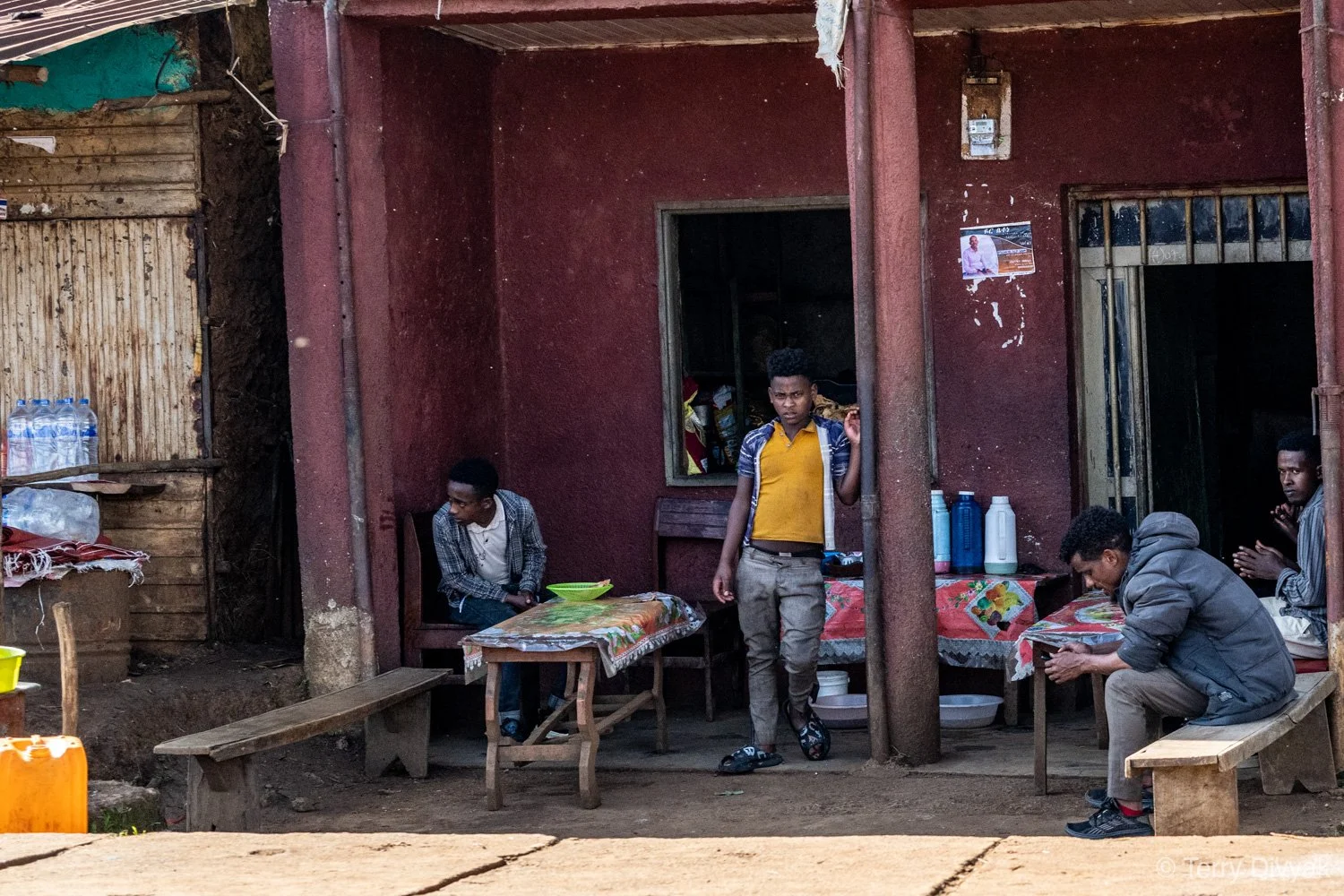
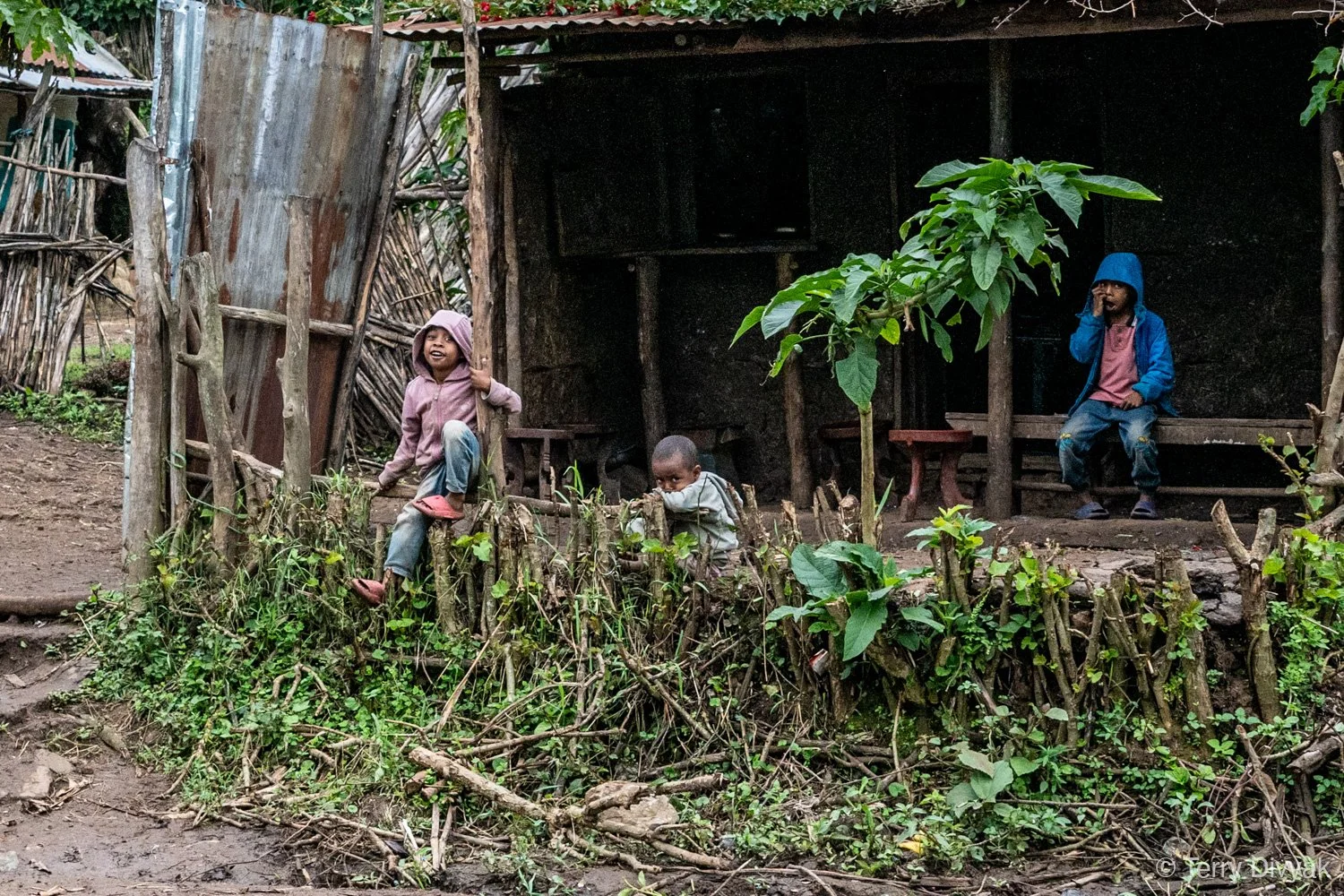
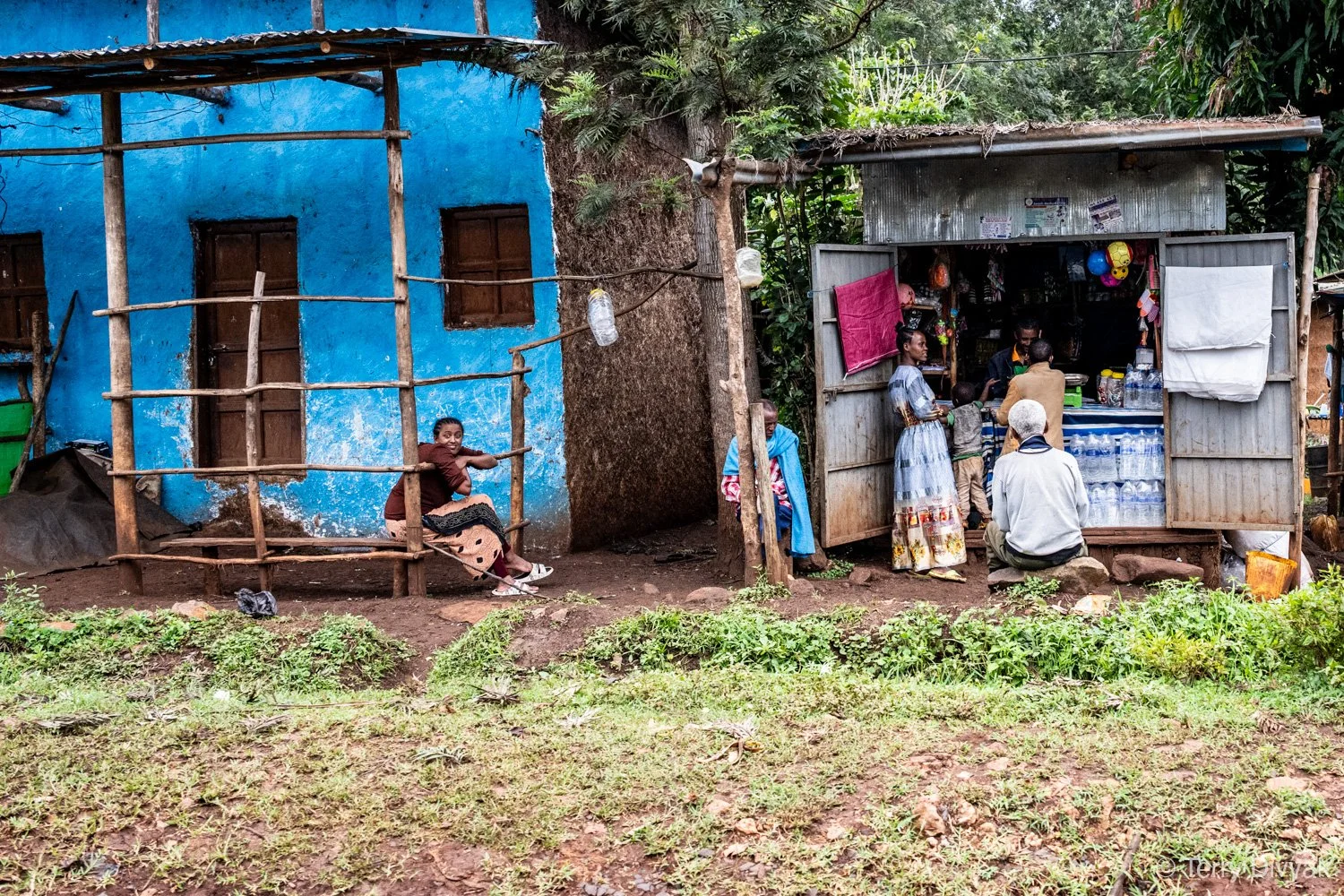
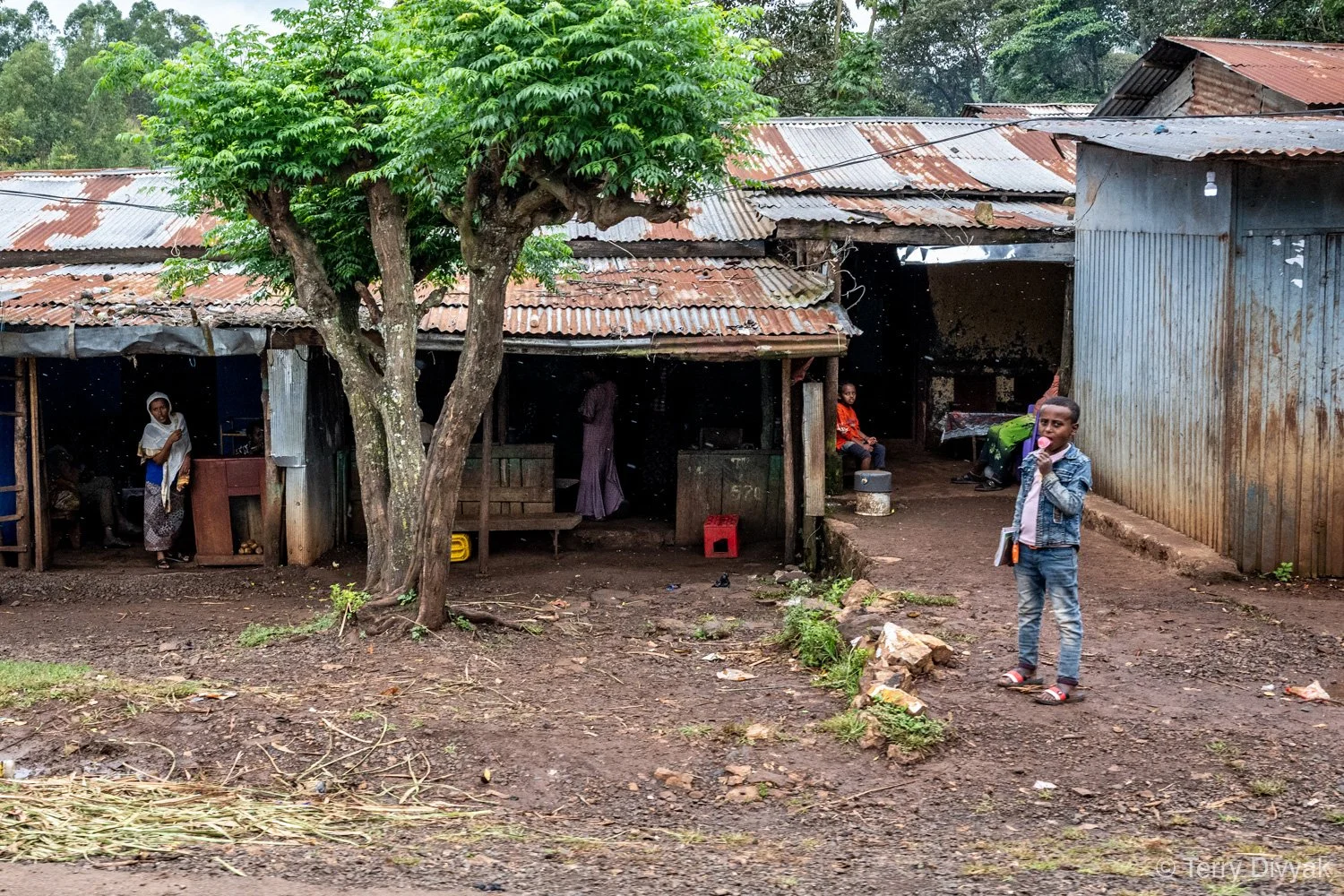
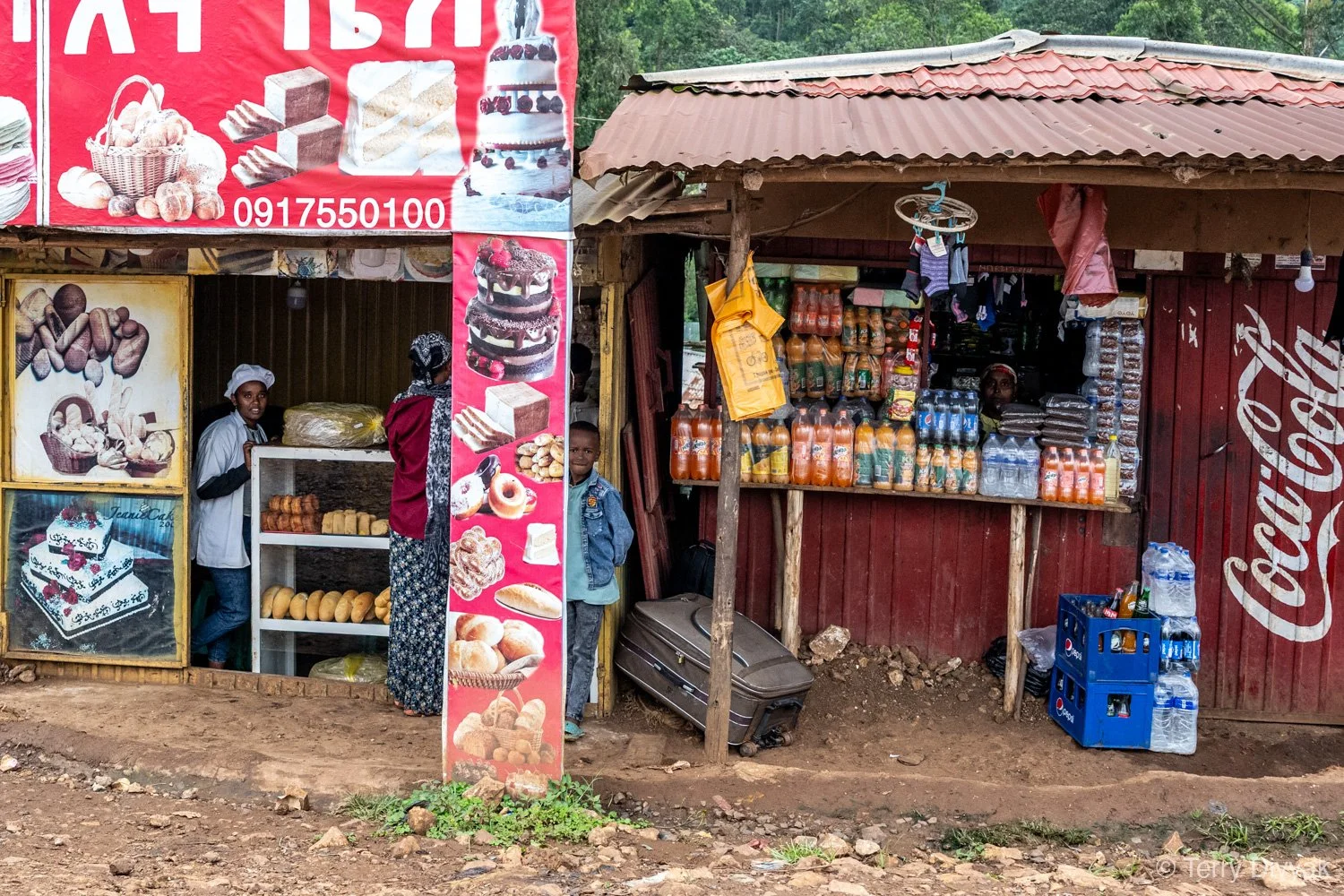
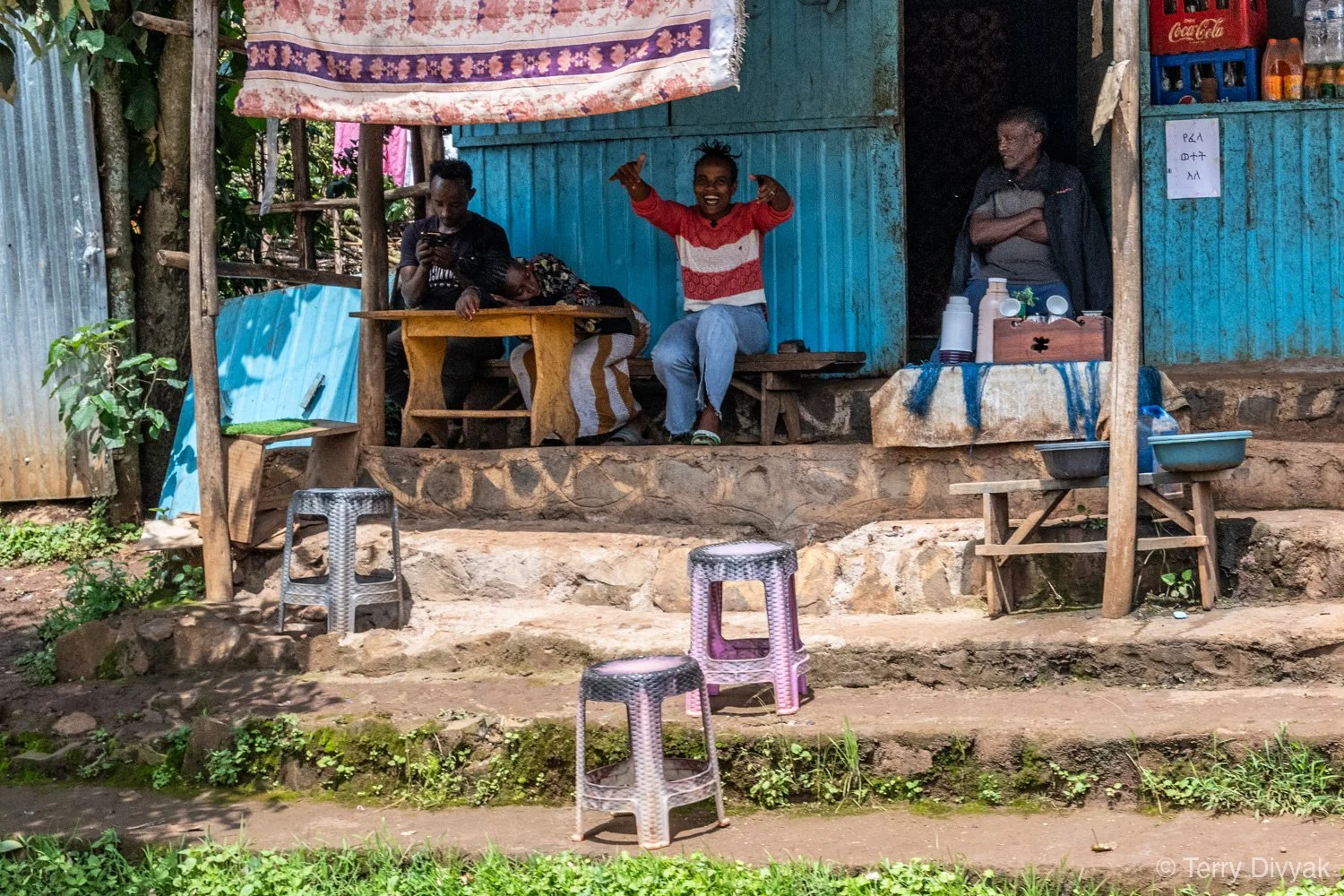
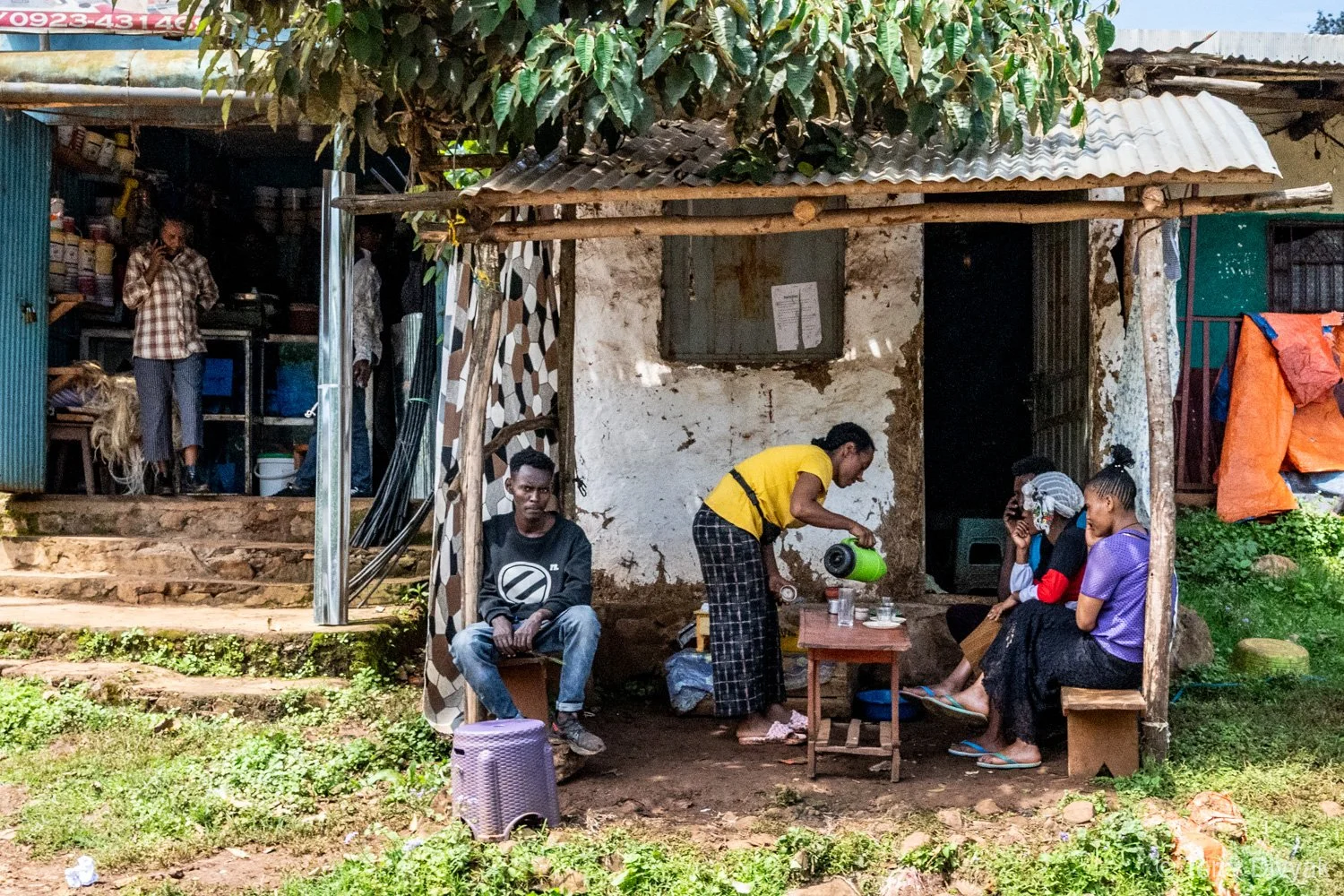
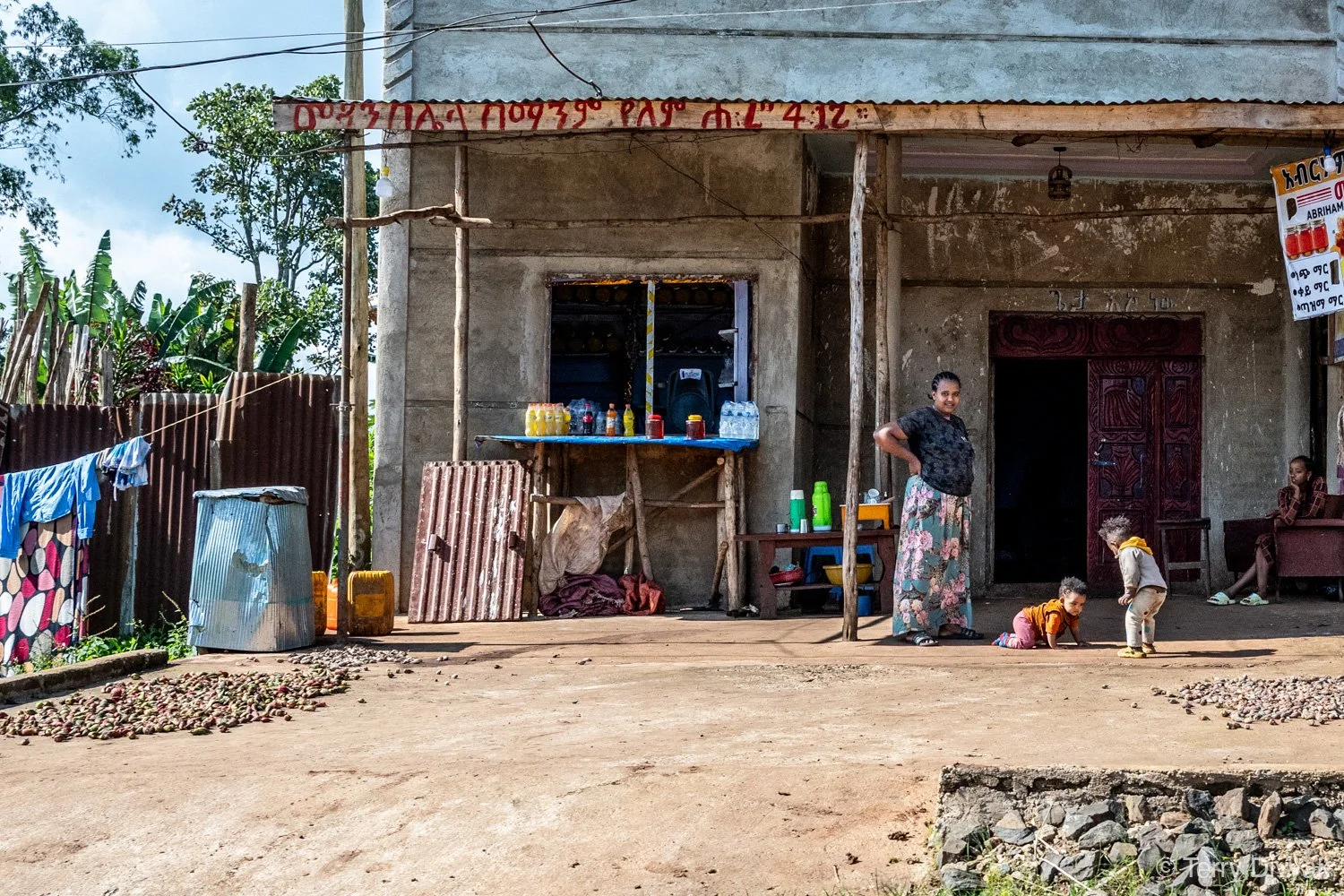
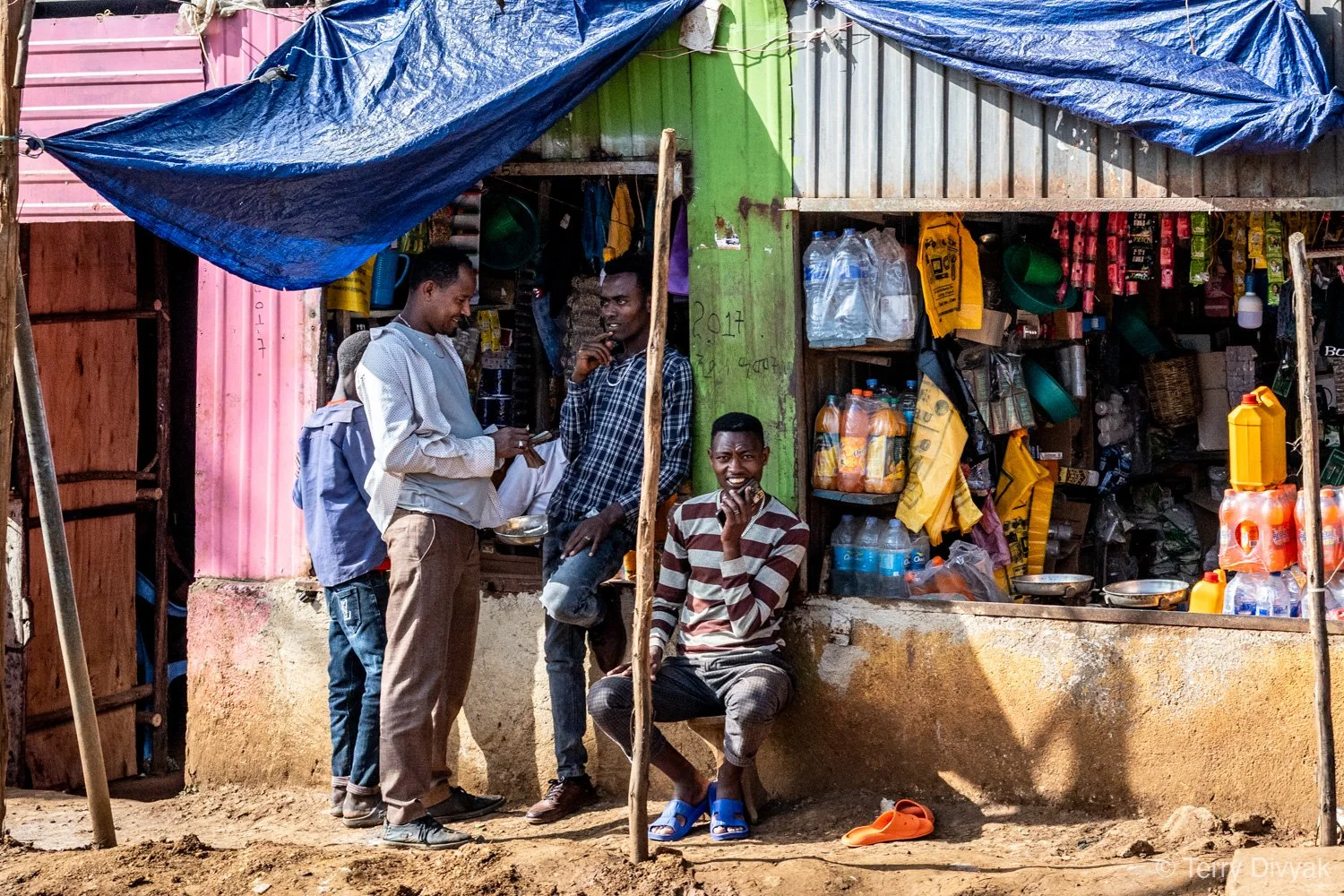
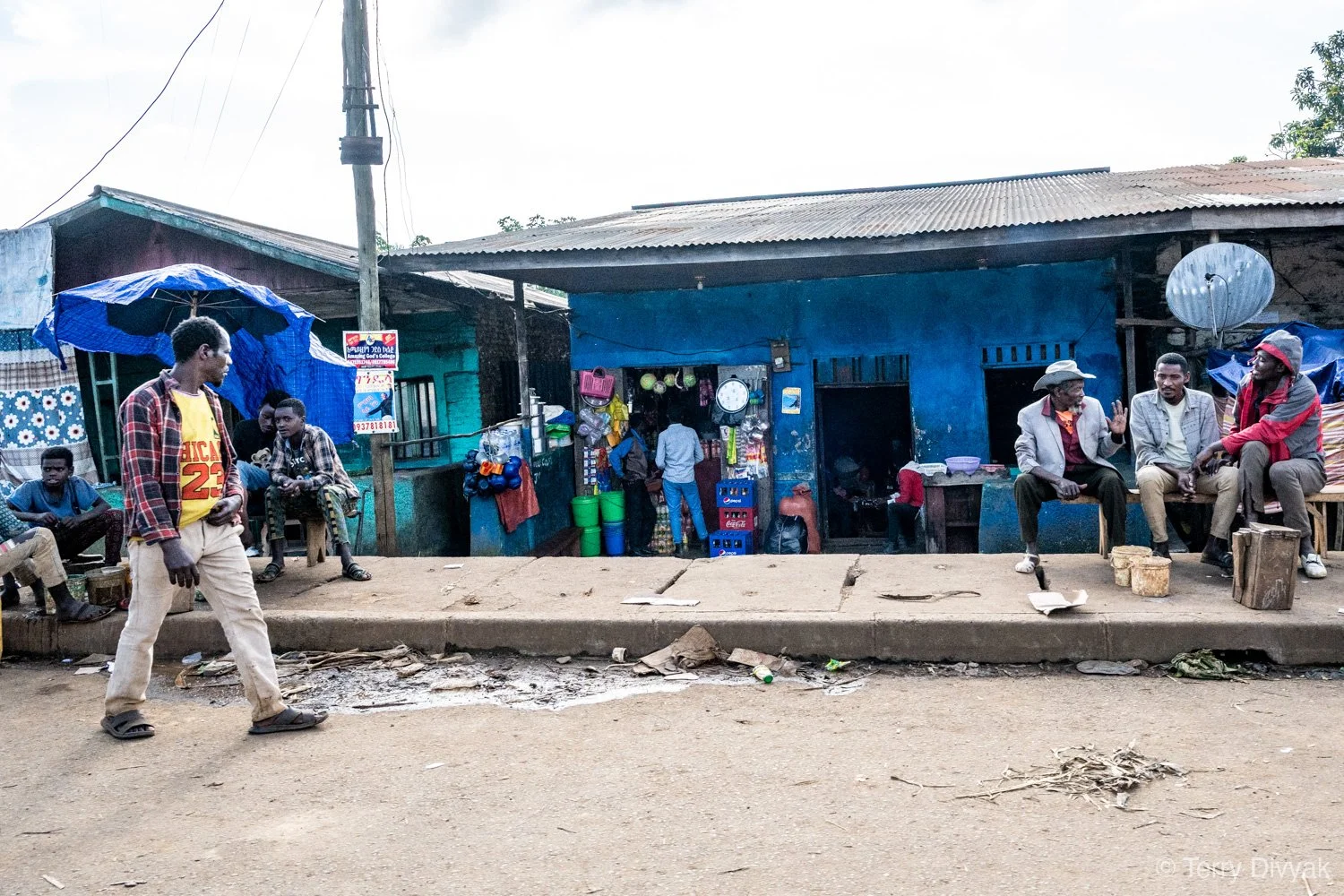
A typical local shop
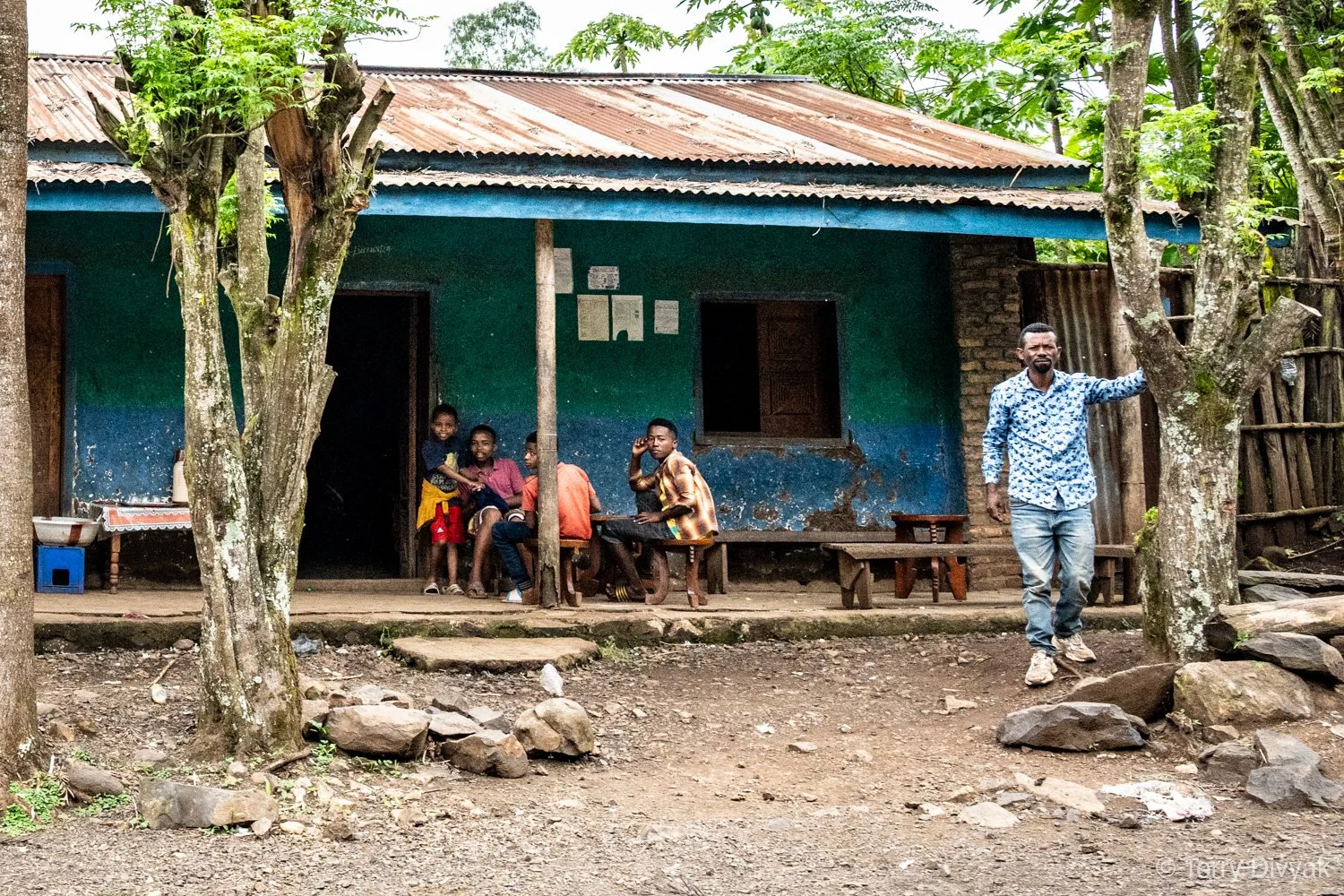
One thing I noticed while we were driving was how aware everyone seemed to be of the camera. Many people waved, smiled, or looked at us with a bit of suspicion, but of course, we just kept going. That changed when we stopped for lunch, I think on our second day of driving.
A man in mirrored sunglasses approached us, with a demeanor that felt like it was inspired by Idi Amin or maybe just too many American movies. He didn’t like that we were filming and talking about our trip and became quite threatening, accusing us of all kinds of things we clearly weren’t doing. He told us to get out of town.
Our guide, Ermi, handled it incredibly well. My instinct was to tell him to “eff off,” but I knew better, especially in a foreign country where you don’t know who’s connected to the local authorities.
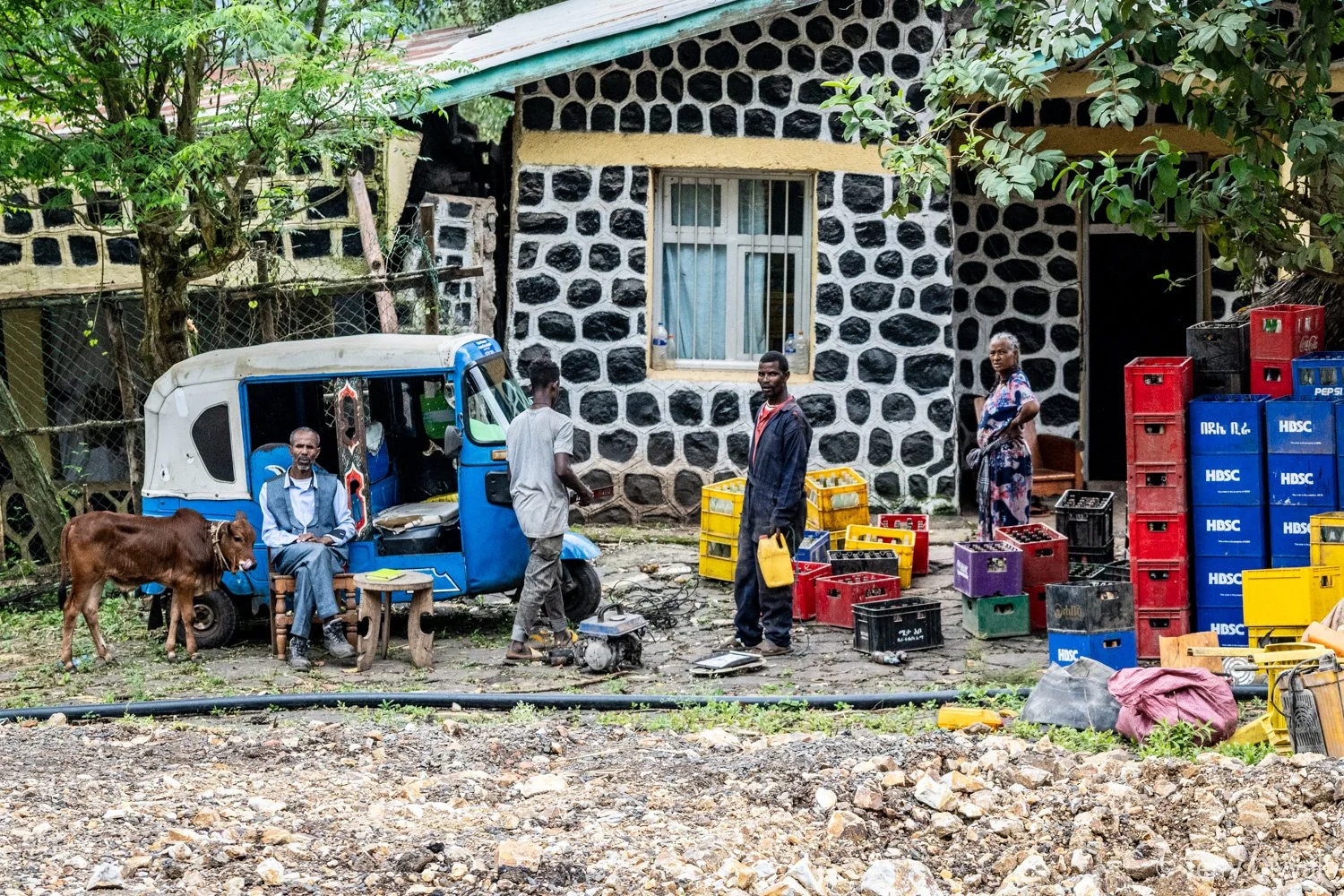
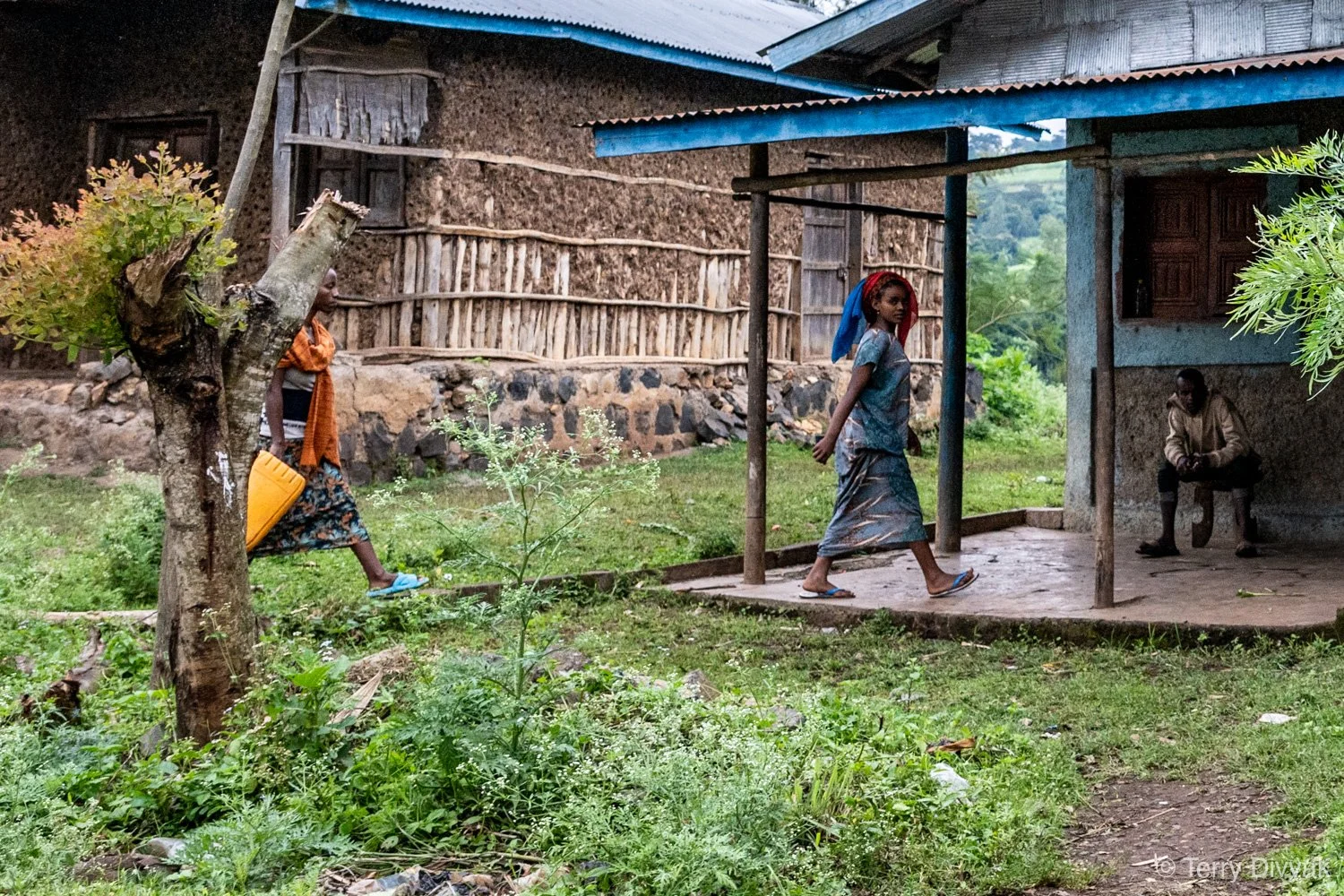
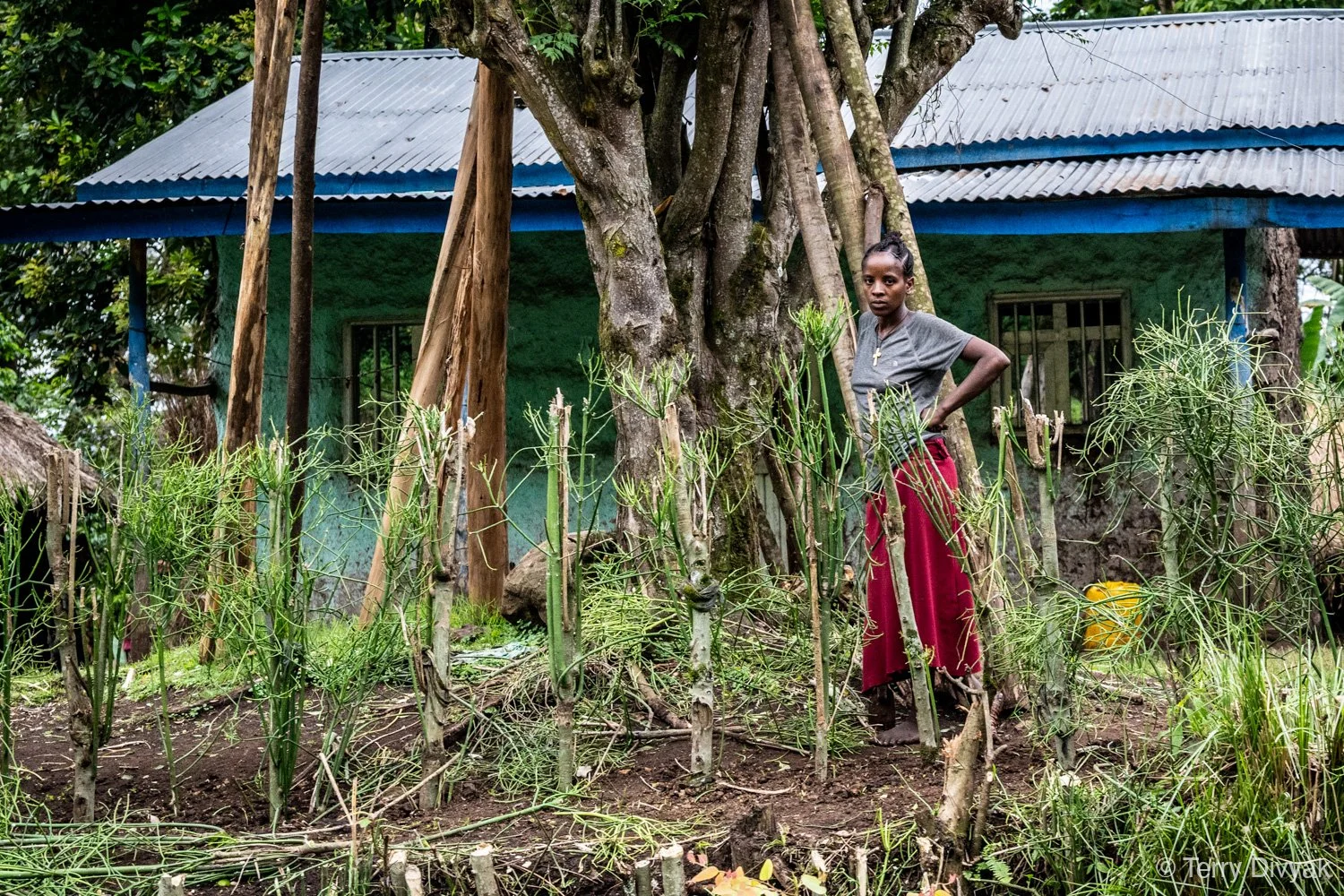
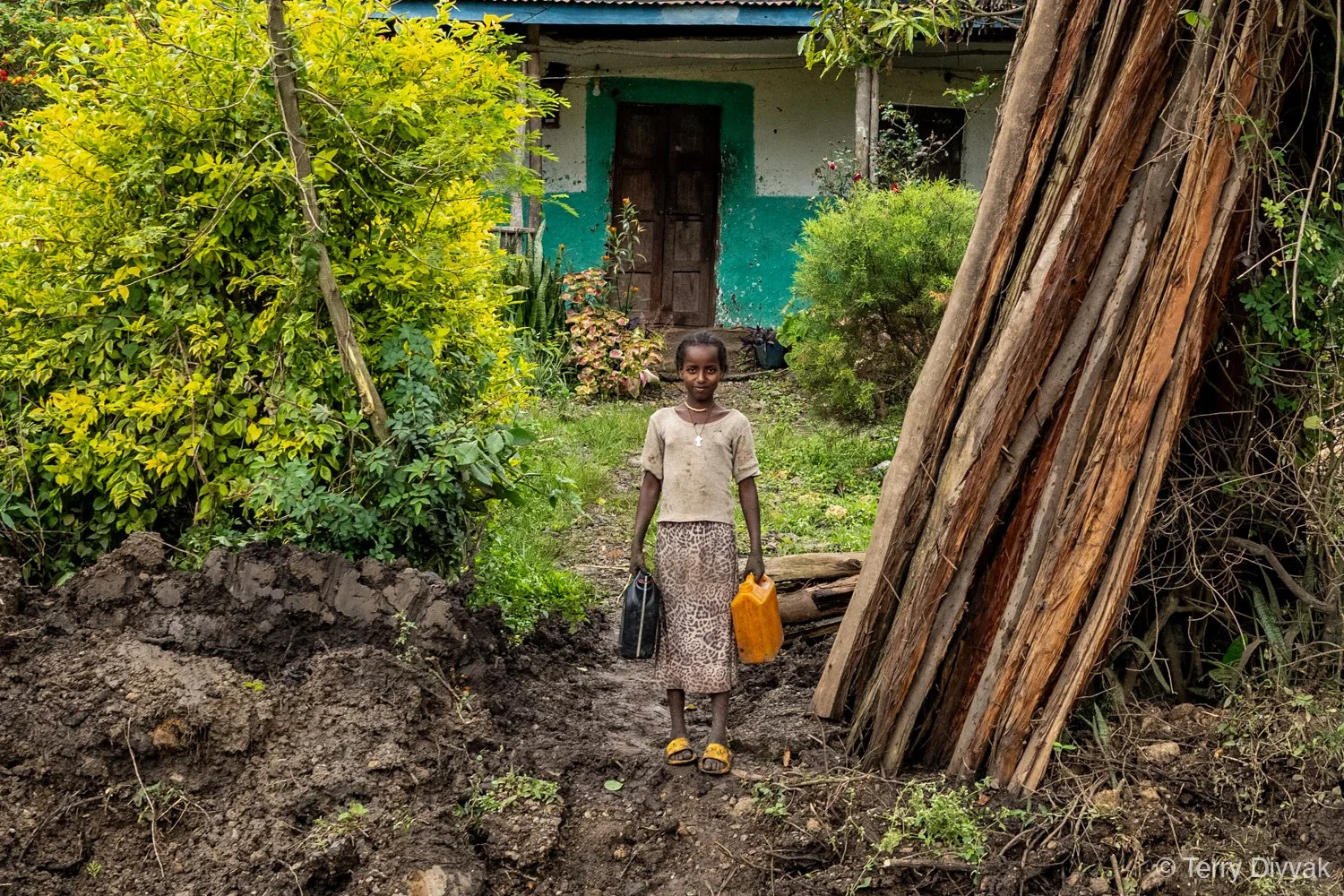
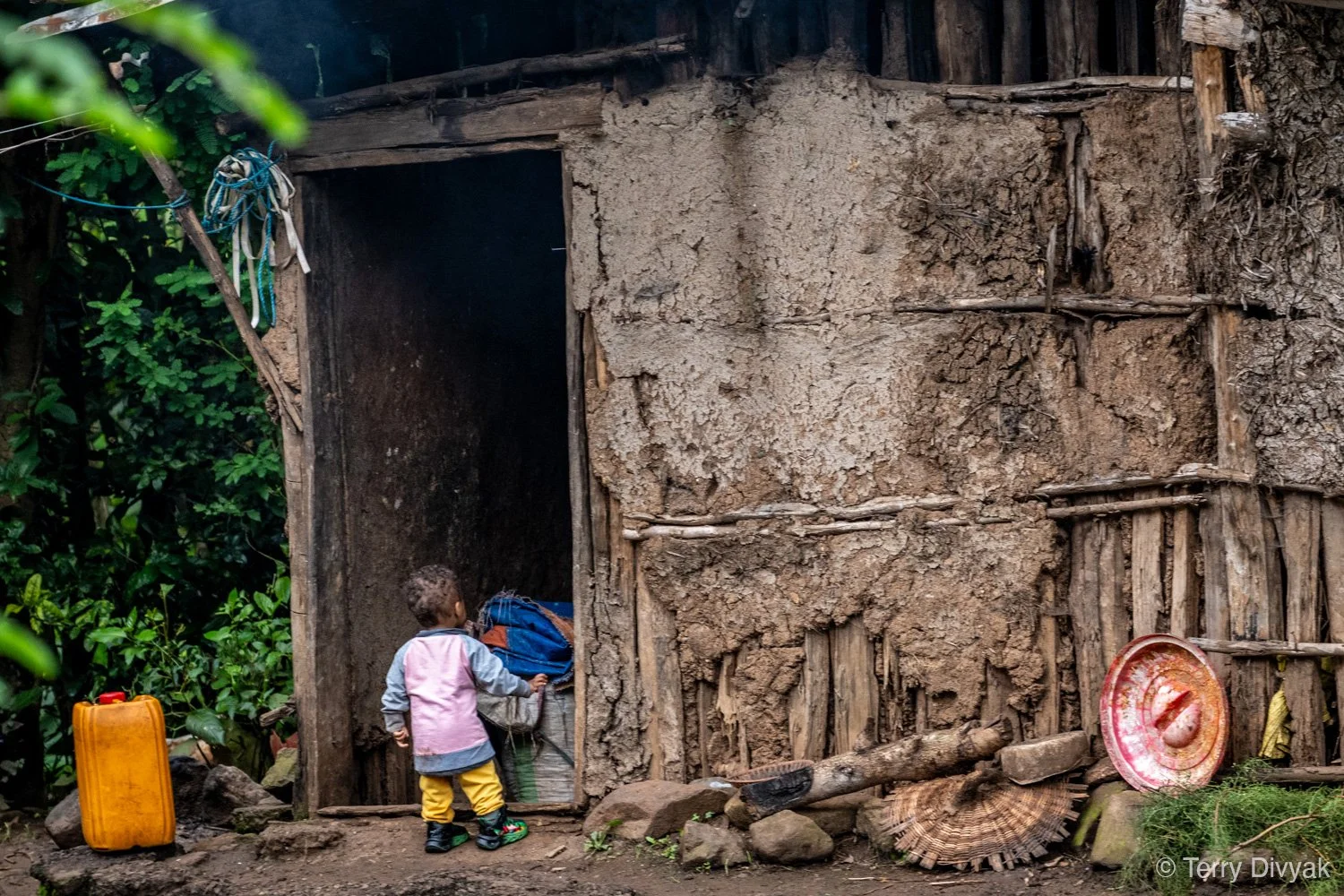
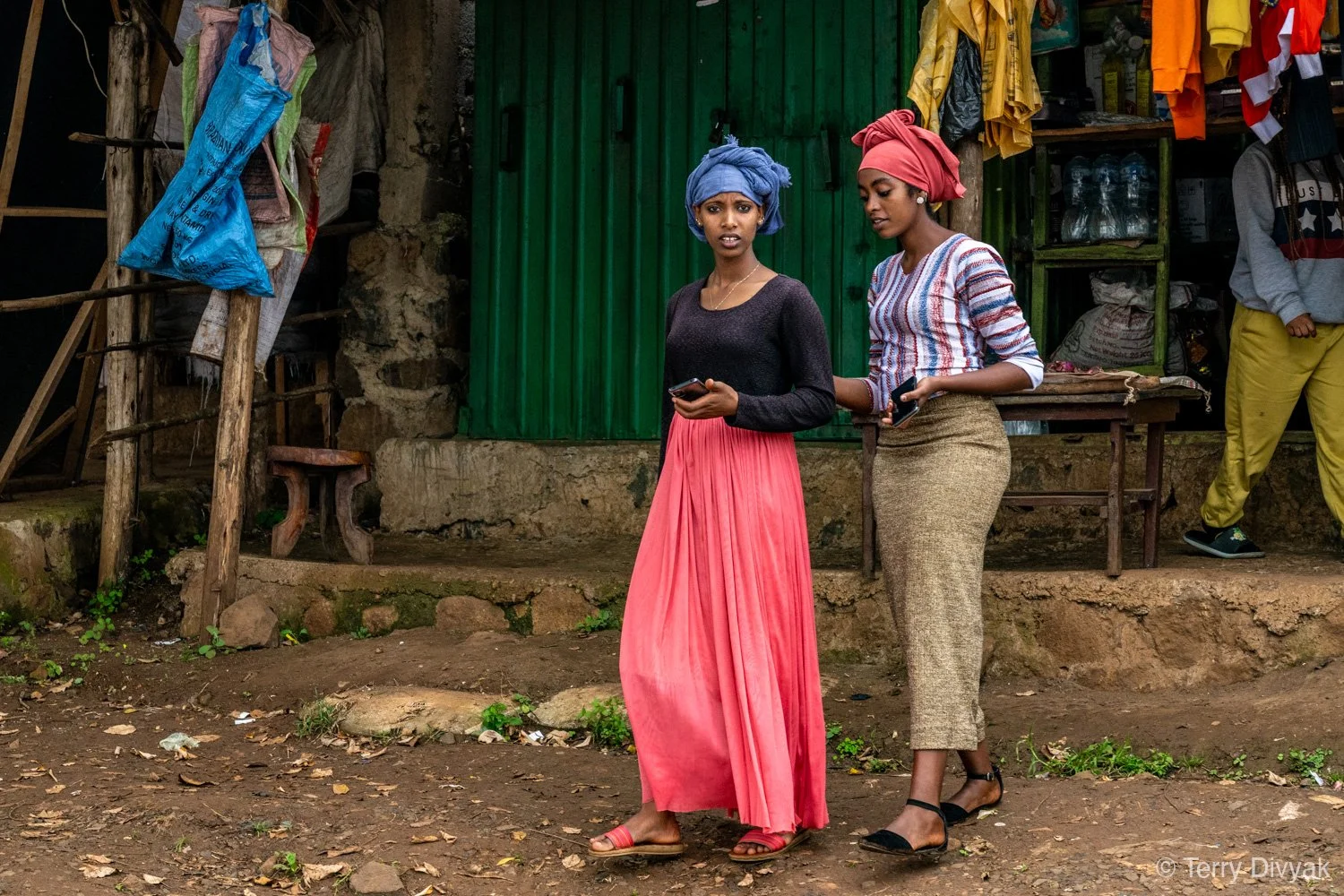
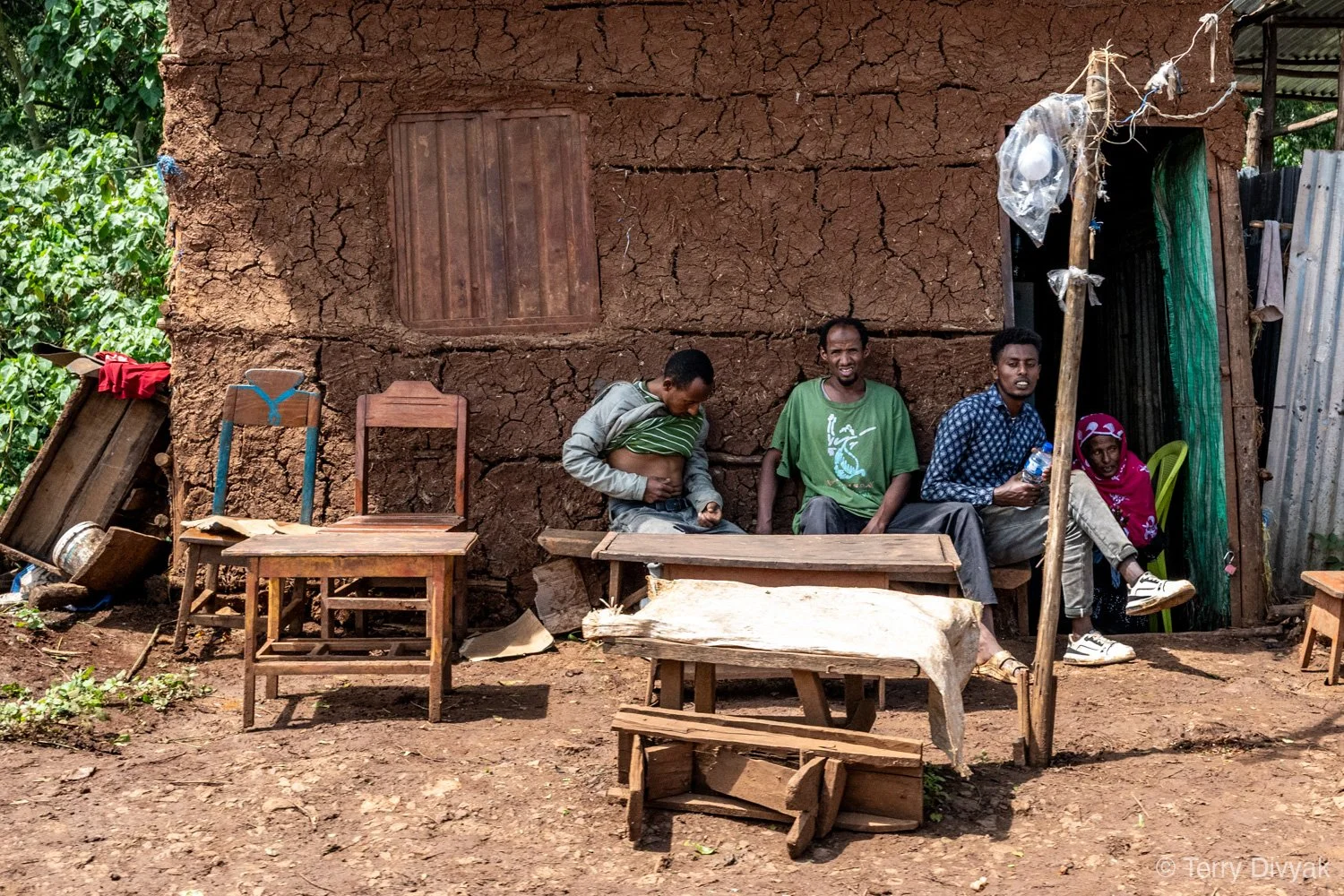
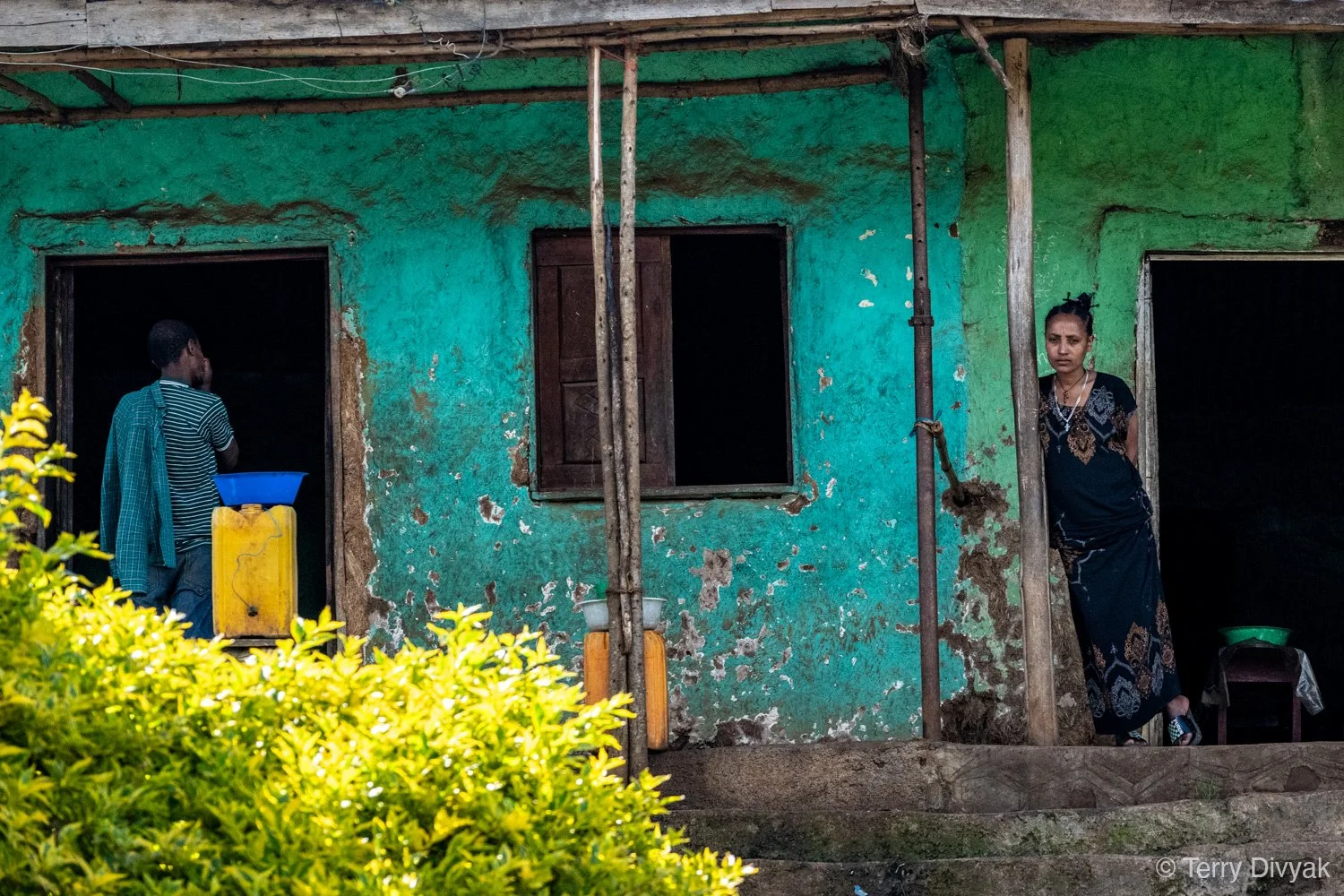
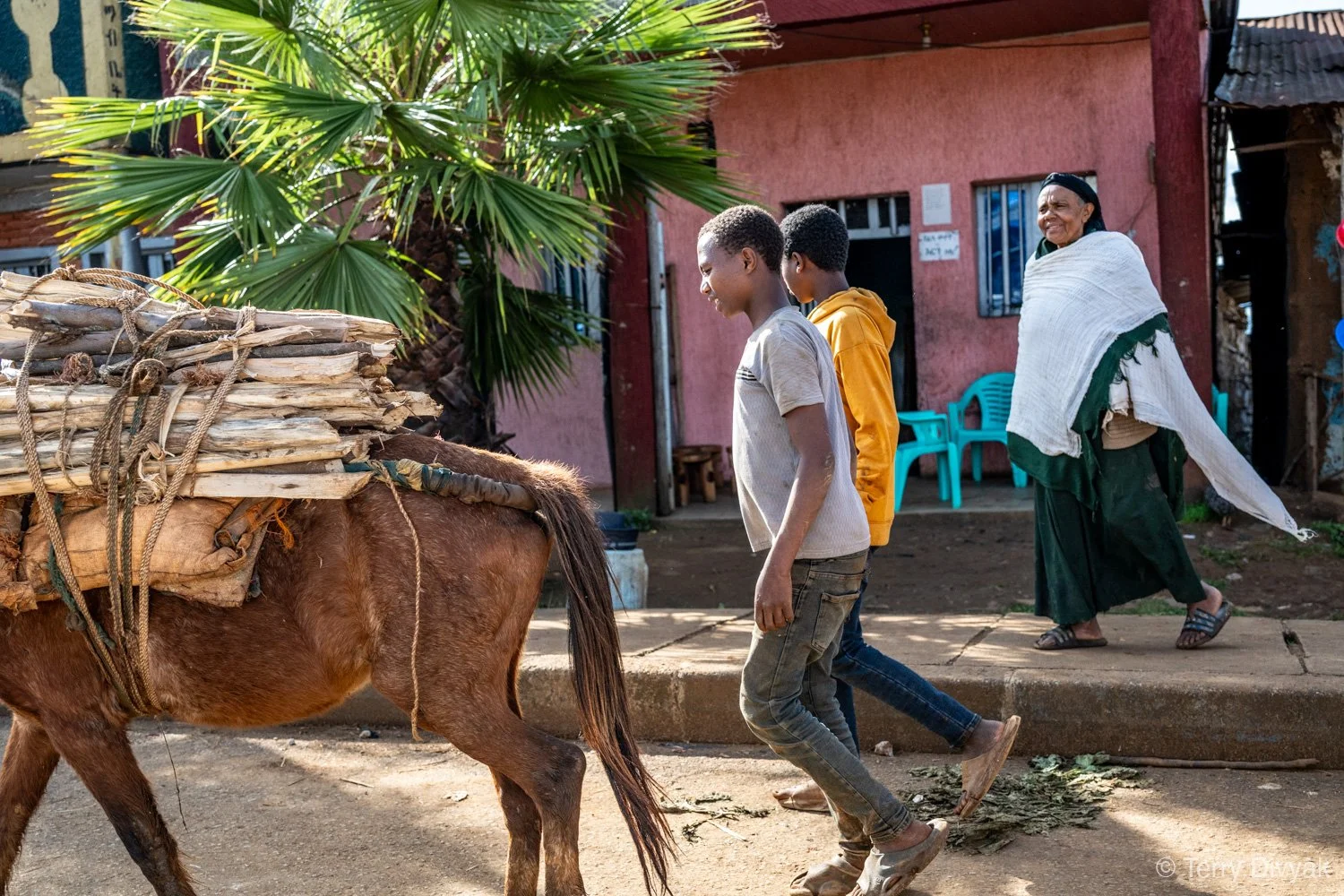
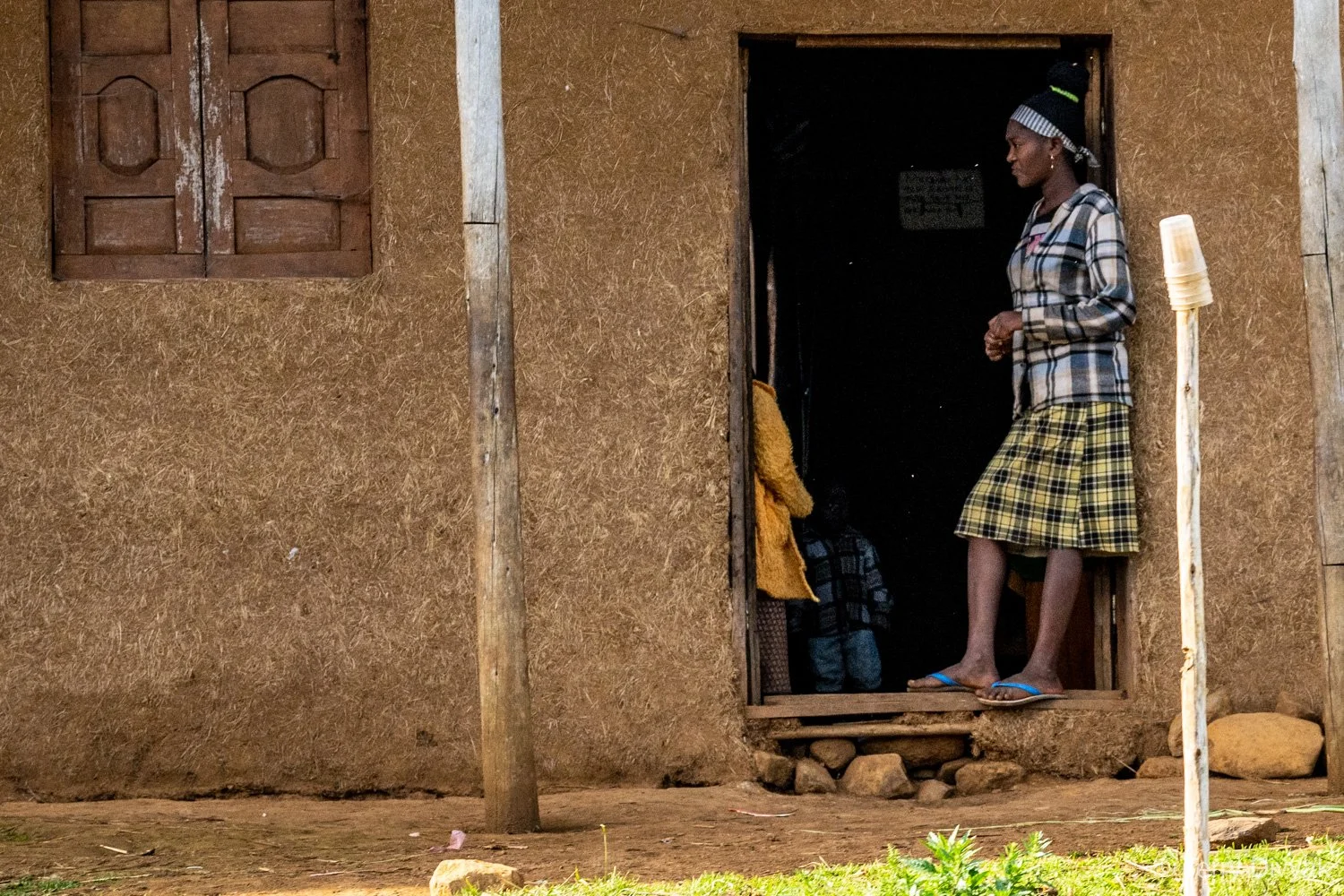
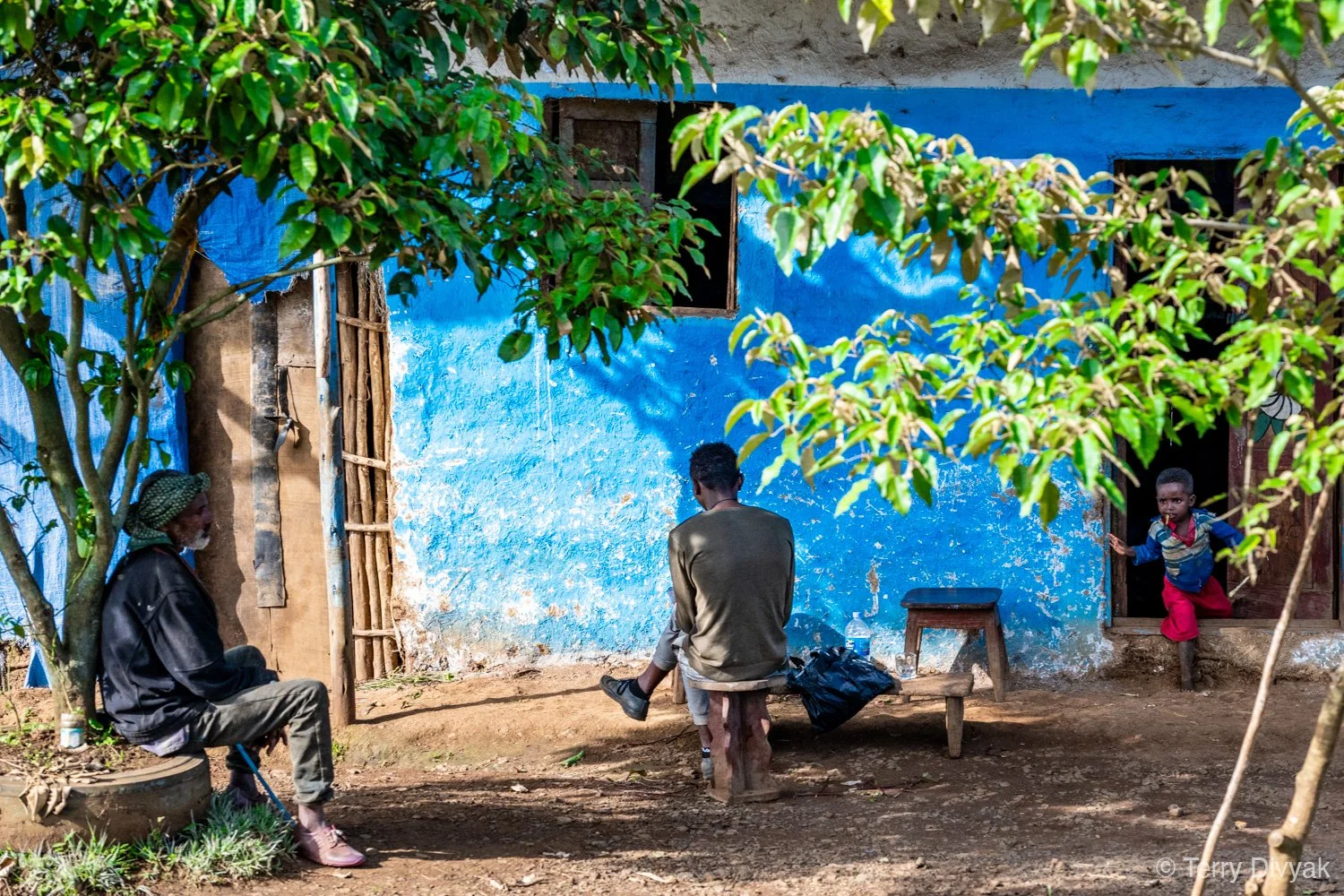
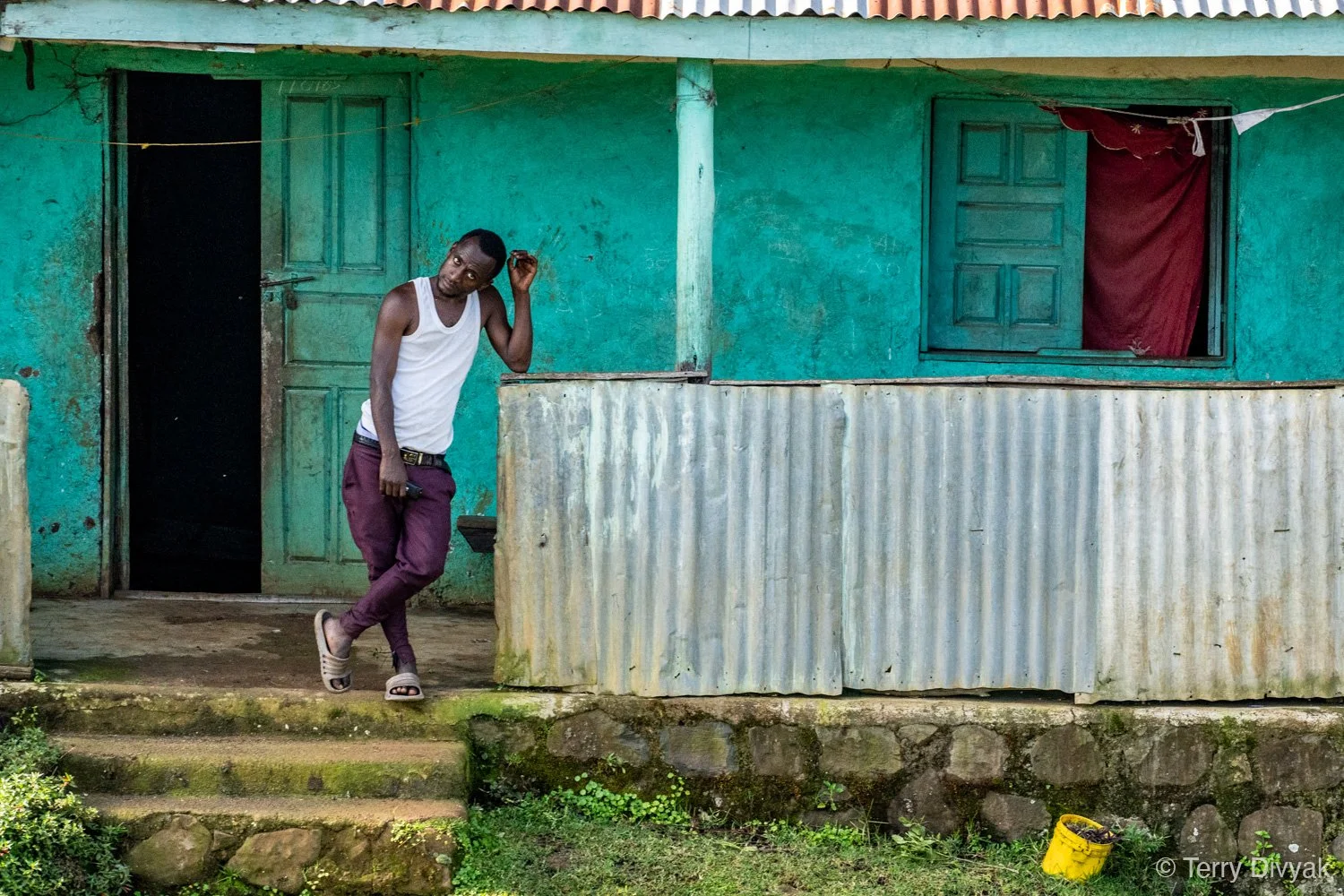
Trying to pop colors and textures
You’ll probably notice these edits are a bit more contrasty. In Adobe Camera Raw (yes, I always shoot in RAW), I boosted the contrast to +7, pulled the highlights down to –72, increased clarity to +44, and used Dehaze at +12. From there, I fine-tuned each image to my liking, then saved that initial setup as a preset so I could apply it across the whole series for a consistent look.
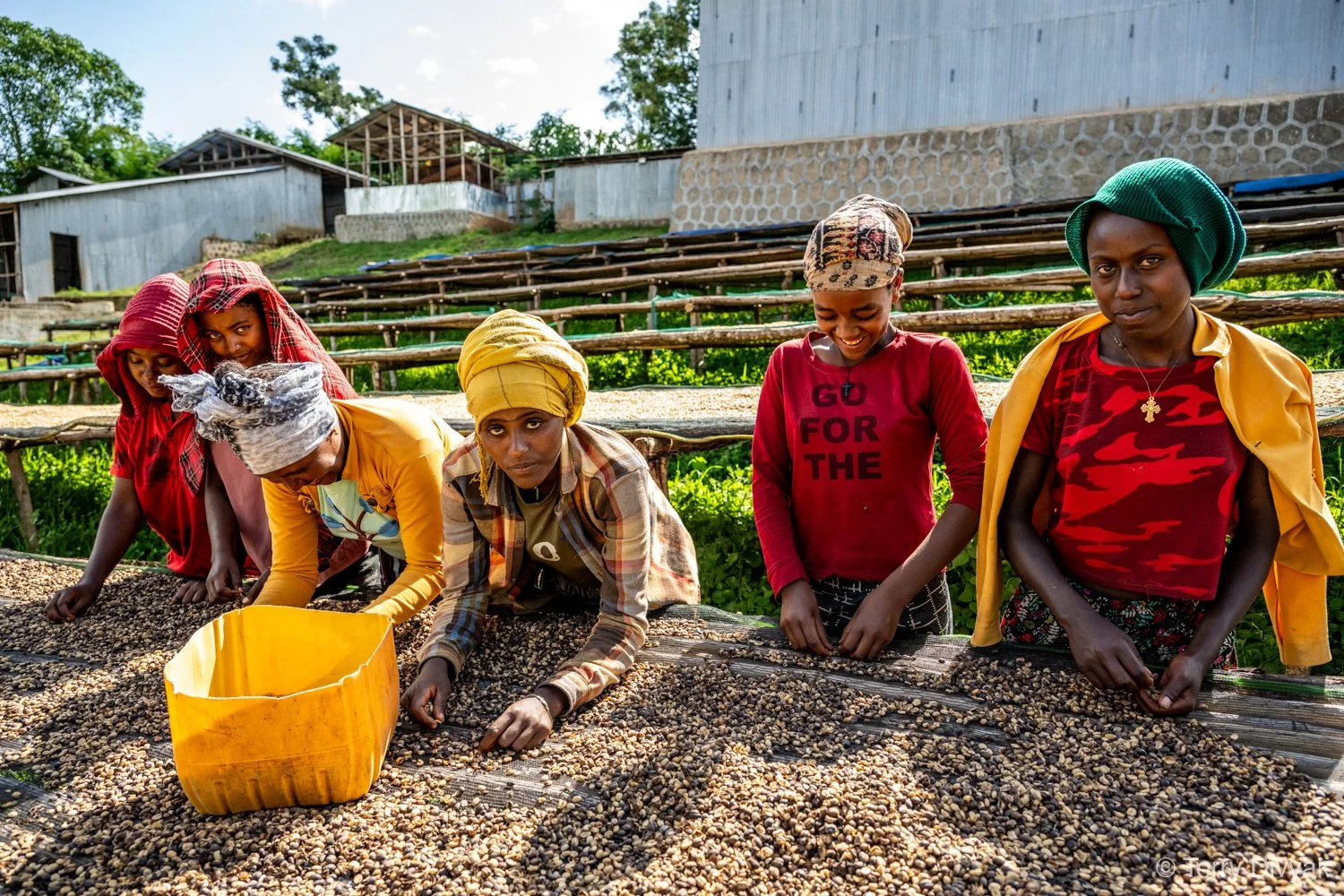
Sorting coffee at a drying facility in Ethiopia
Whenever I travel, I’m not afraid to ask the guides to stop if I see something interesting. Ethiopia, as you may know, is famous for its coffee. Many people consider it the birthplace of Arabica, and you feel that history everywhere, from small roadside stands to tiny cafés where beans are roasted over open coals and ground fresh for each cup. Driving through the countryside, we passed hillsides dotted with coffee plantations; at one point, it felt like we drove for hours seeing nothing but coffee. It’s not just an export here; coffee is a daily ritual, a point of pride, and a vital cash crop.
As we were driving, I saw coffee laid out to dry and workers sorting through it, so I asked Ermi if we could stop and take a look. Even though our visit was brief, I was able to capture the photo above of the six women sorting coffee. At first, they were a bit suspicious of us, but they warmed up pretty quickly.. You’ll find a bit of video footage in the Omo Valley video I put together.
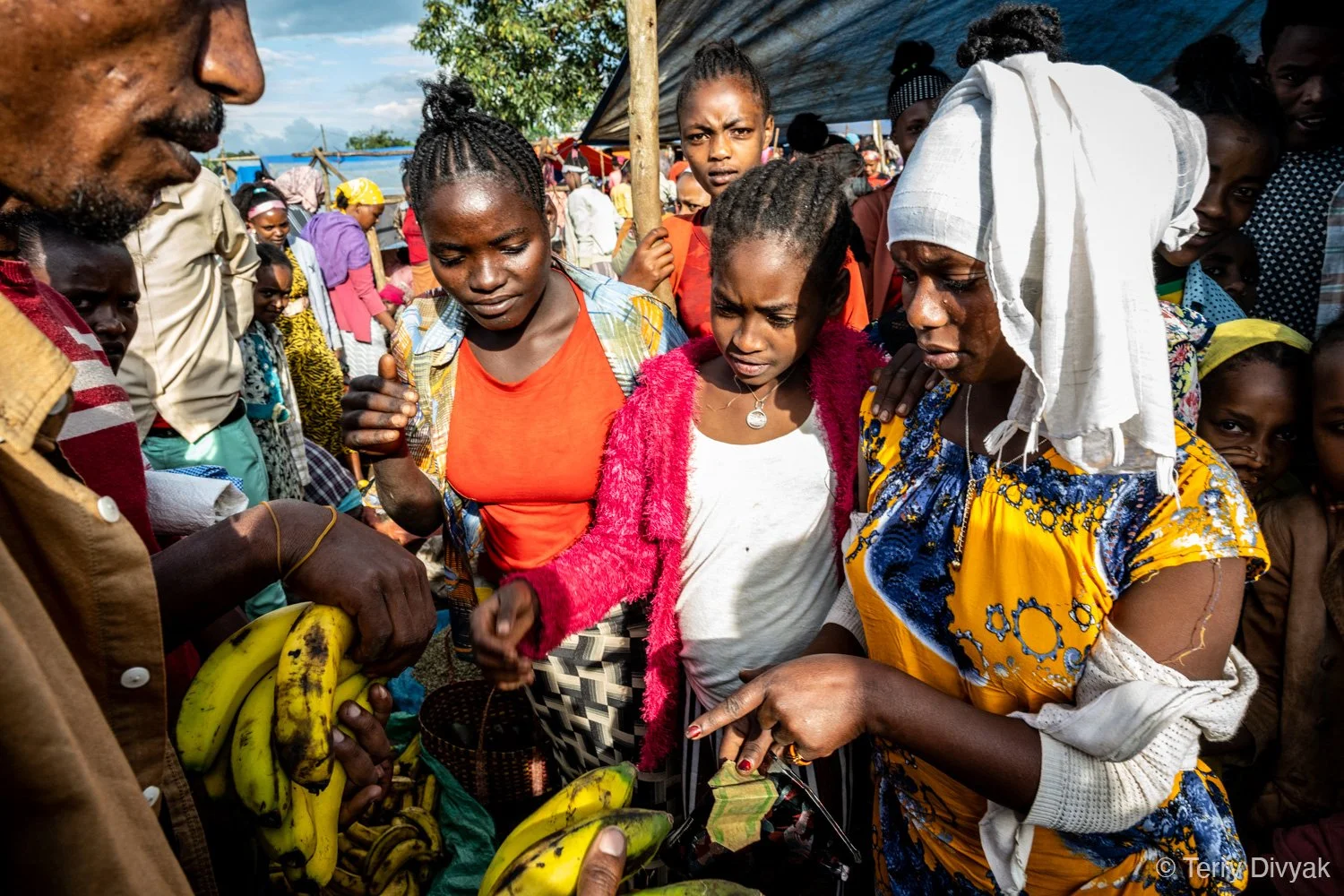
Ermi buying bananas
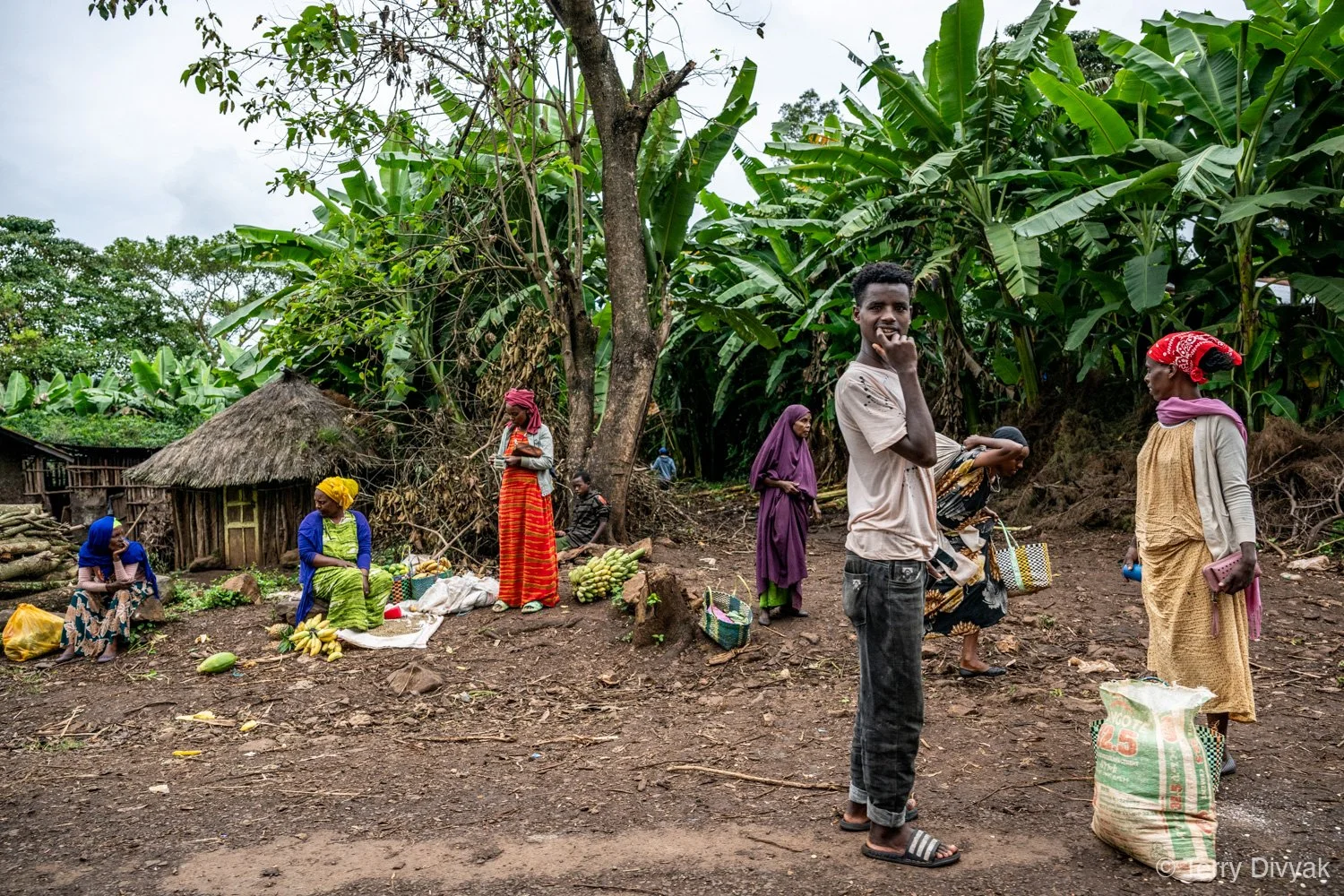
Our next stop was a local market. Linda and I love going to markets when traveling and this one was great for interacting with the locals. Ermi, purchased some bananas and if you look at the photos of the bananas, people in America would not want them because they are not perfect. But they taste way better than any you’ll find in the states. In fact, here’s a quick look at the process of bring bananas to the states, compliments of ChatGPT:
“For the American market, most bananas are grown on large plantations in Latin America, harvested while they’re still green, and taken to packing stations where they’re washed, treated to prevent rot, and sorted to meet strict cosmetic standards, anything too small, spotty, or misshapen is usually rejected. The selected bananas are boxed and shipped in refrigerated containers to the U.S., where they stay cool and green until they reach special ripening rooms. There, they’re exposed to ethylene gas so they ripen on schedule to whatever shade of yellow supermarkets want. Only then are they sent to grocery stores, where they appear “perfect” and uniform, but often at the cost of the deeper flavor you find in fruit that’s grown and eaten closer to home.”
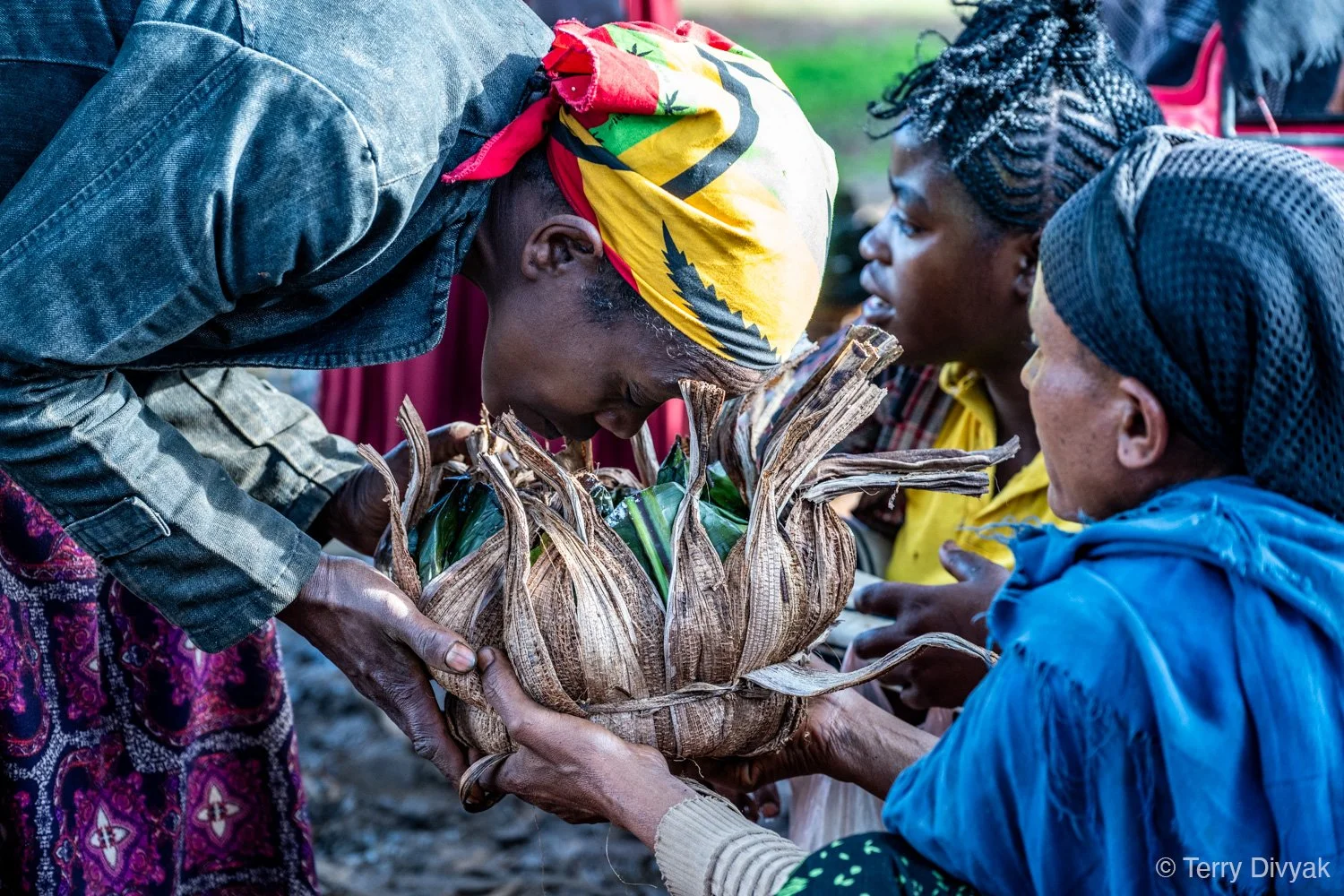
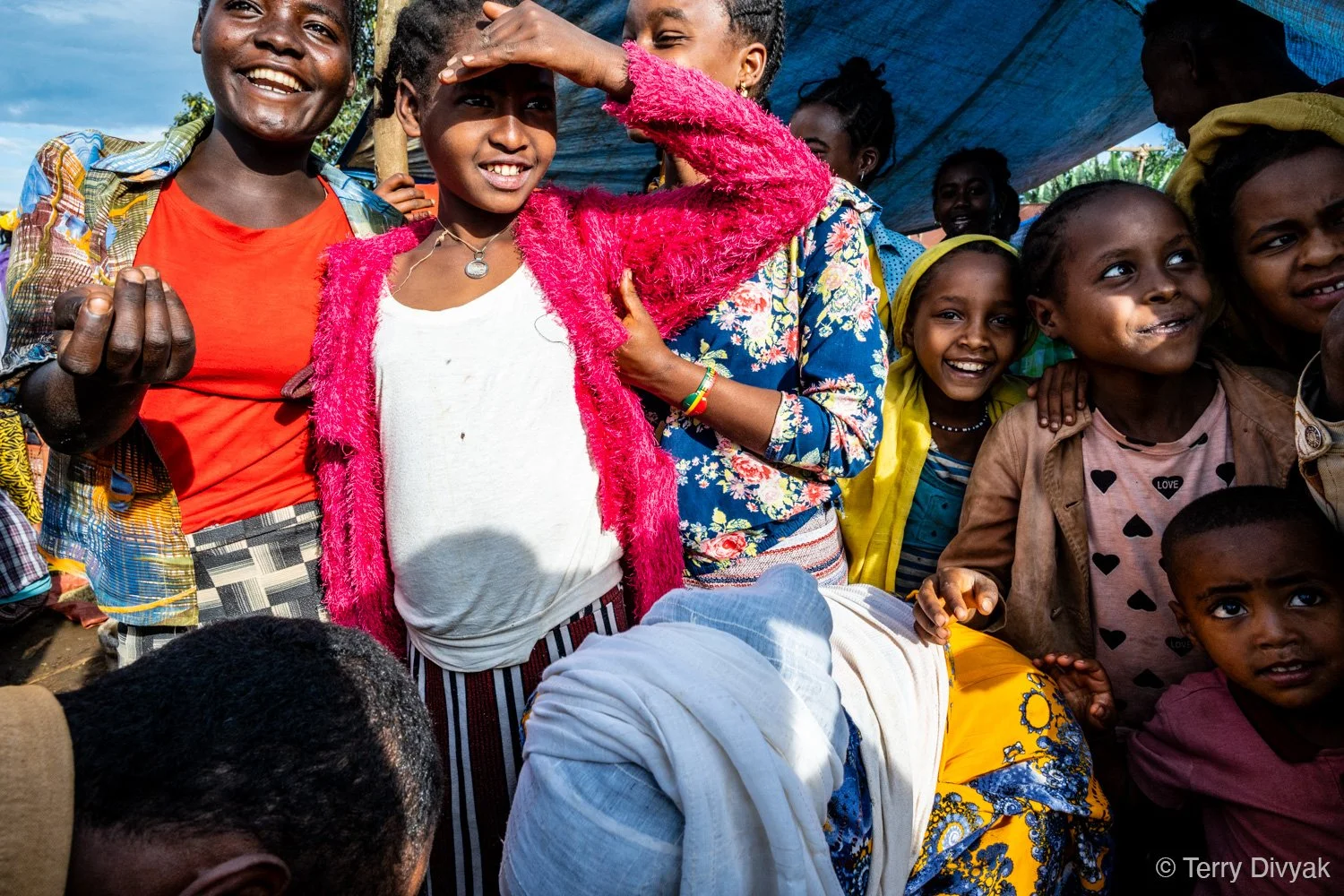
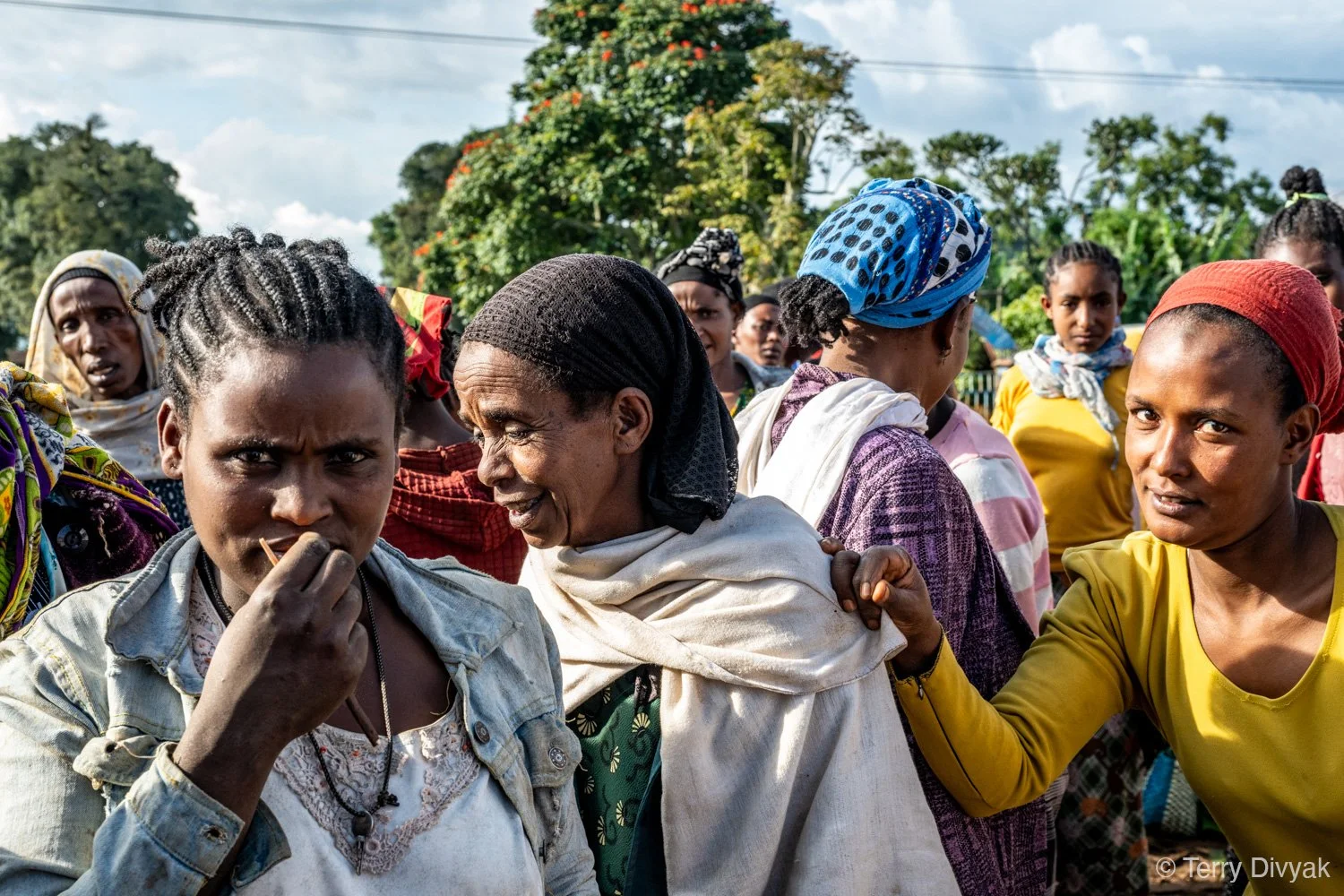
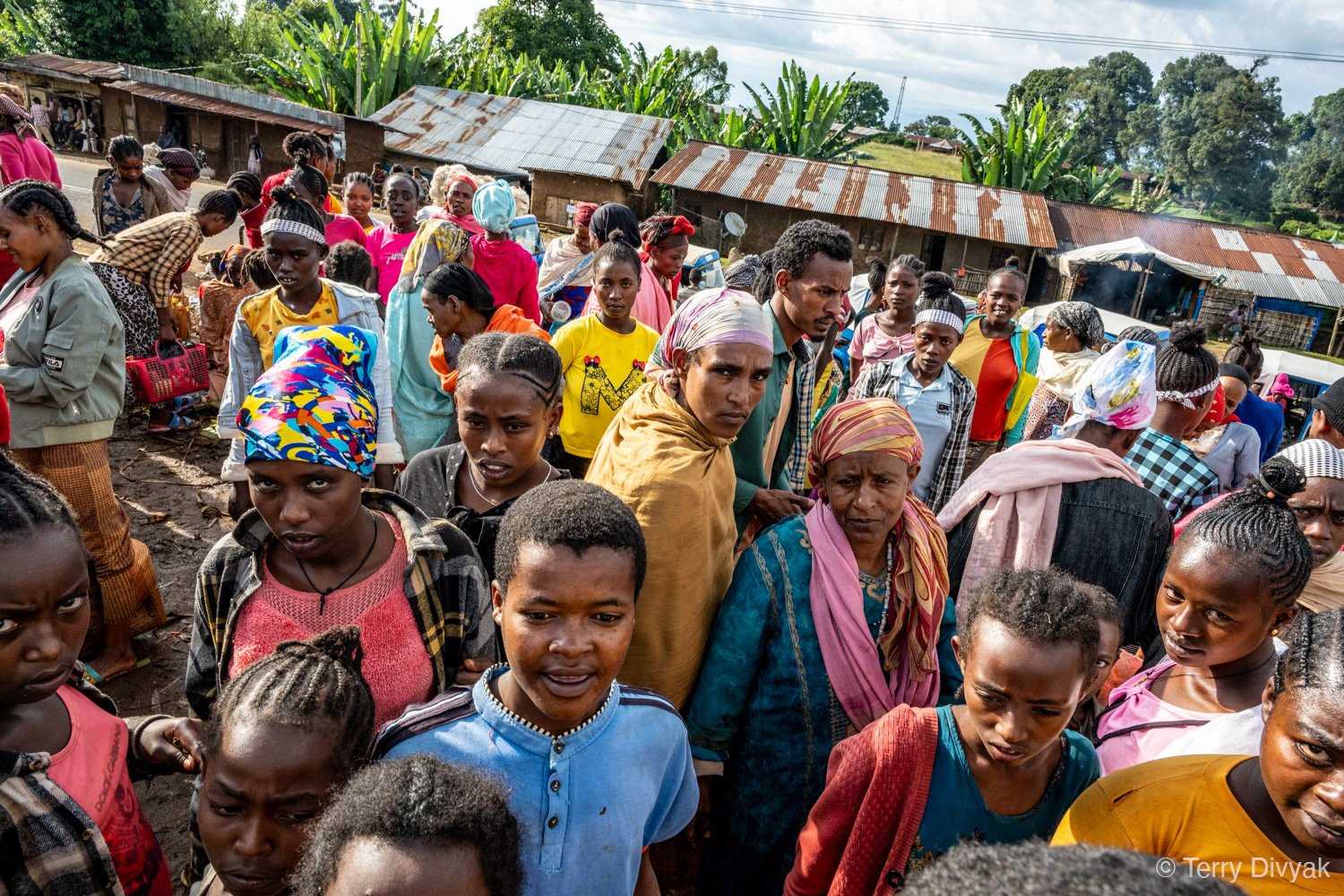
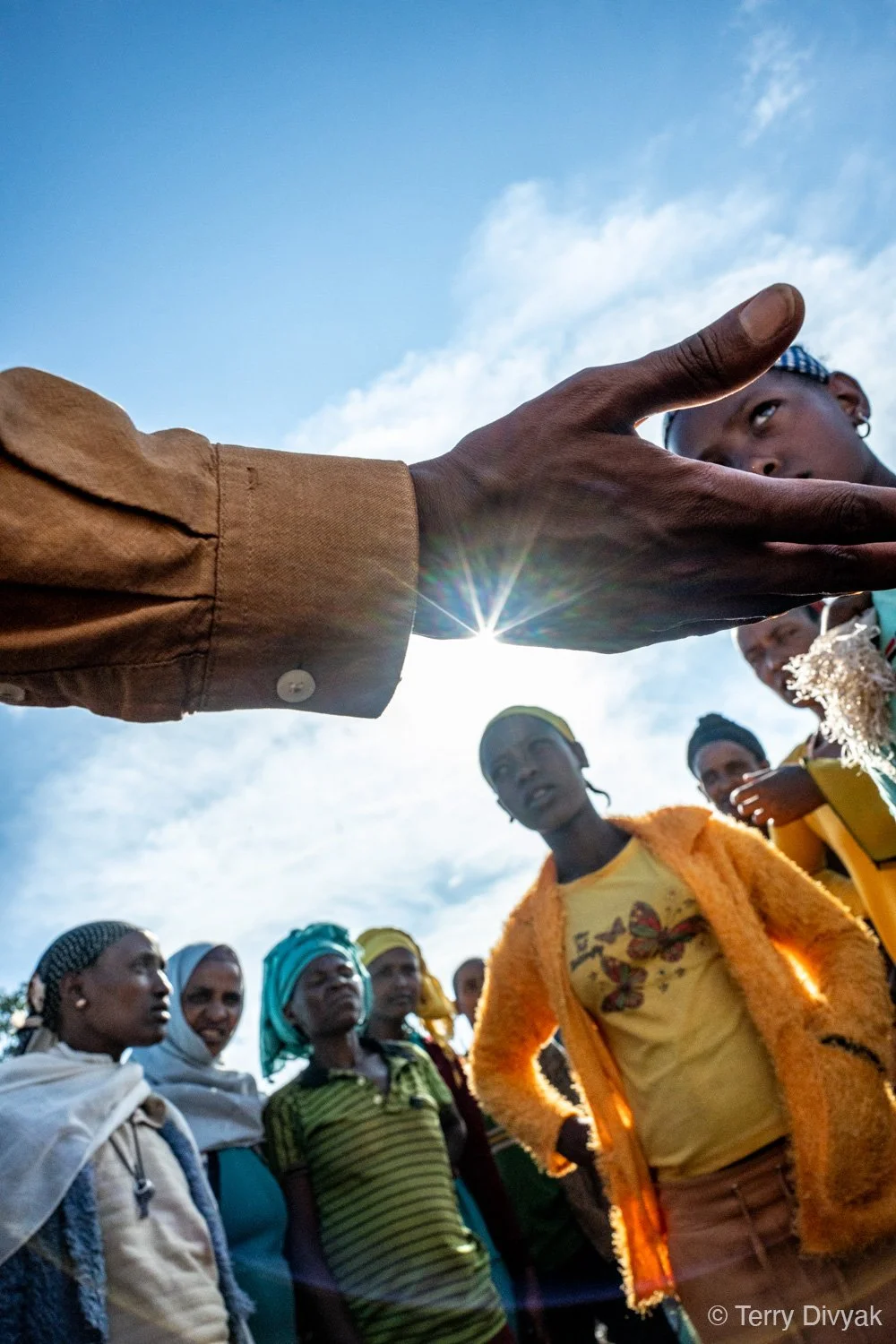
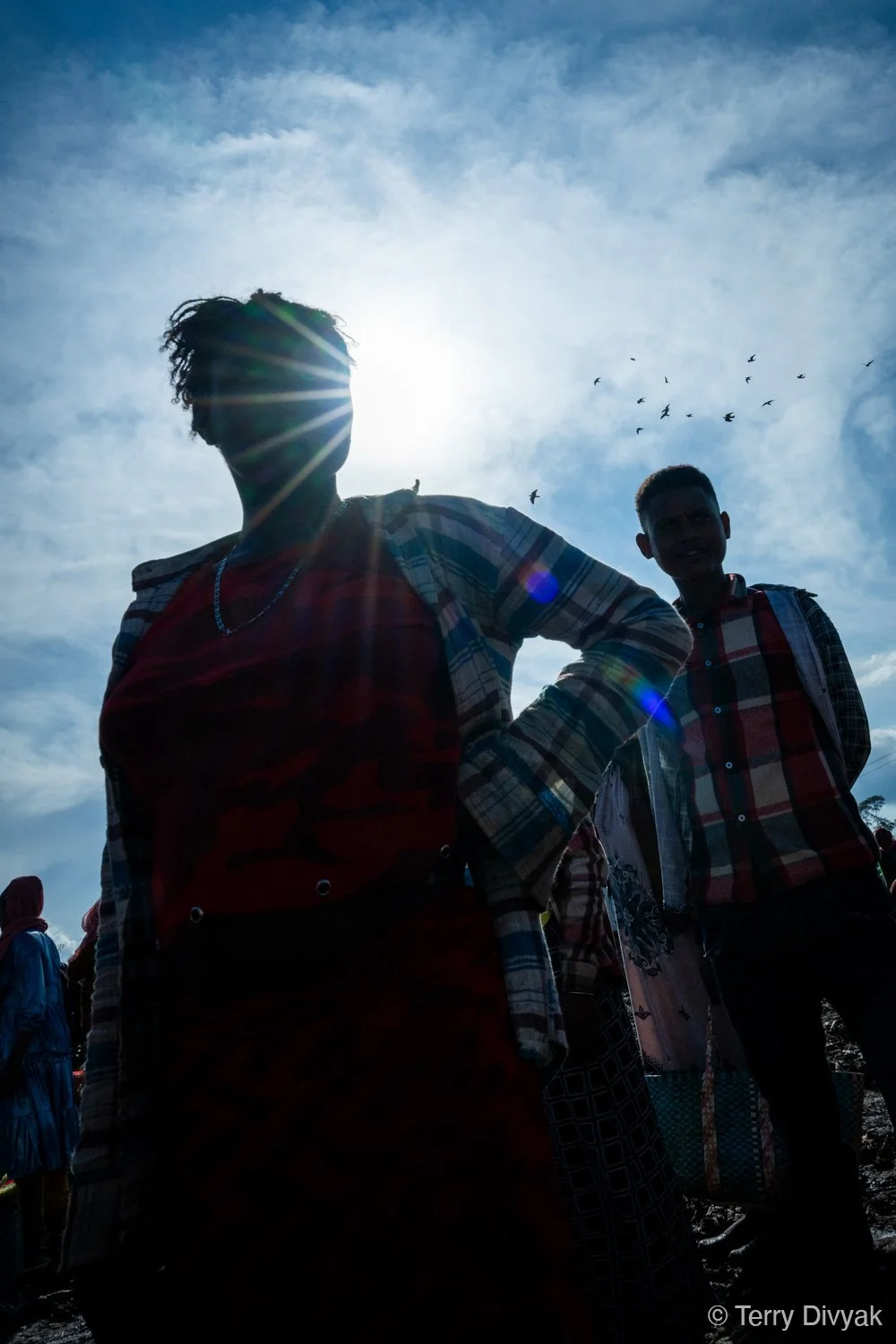
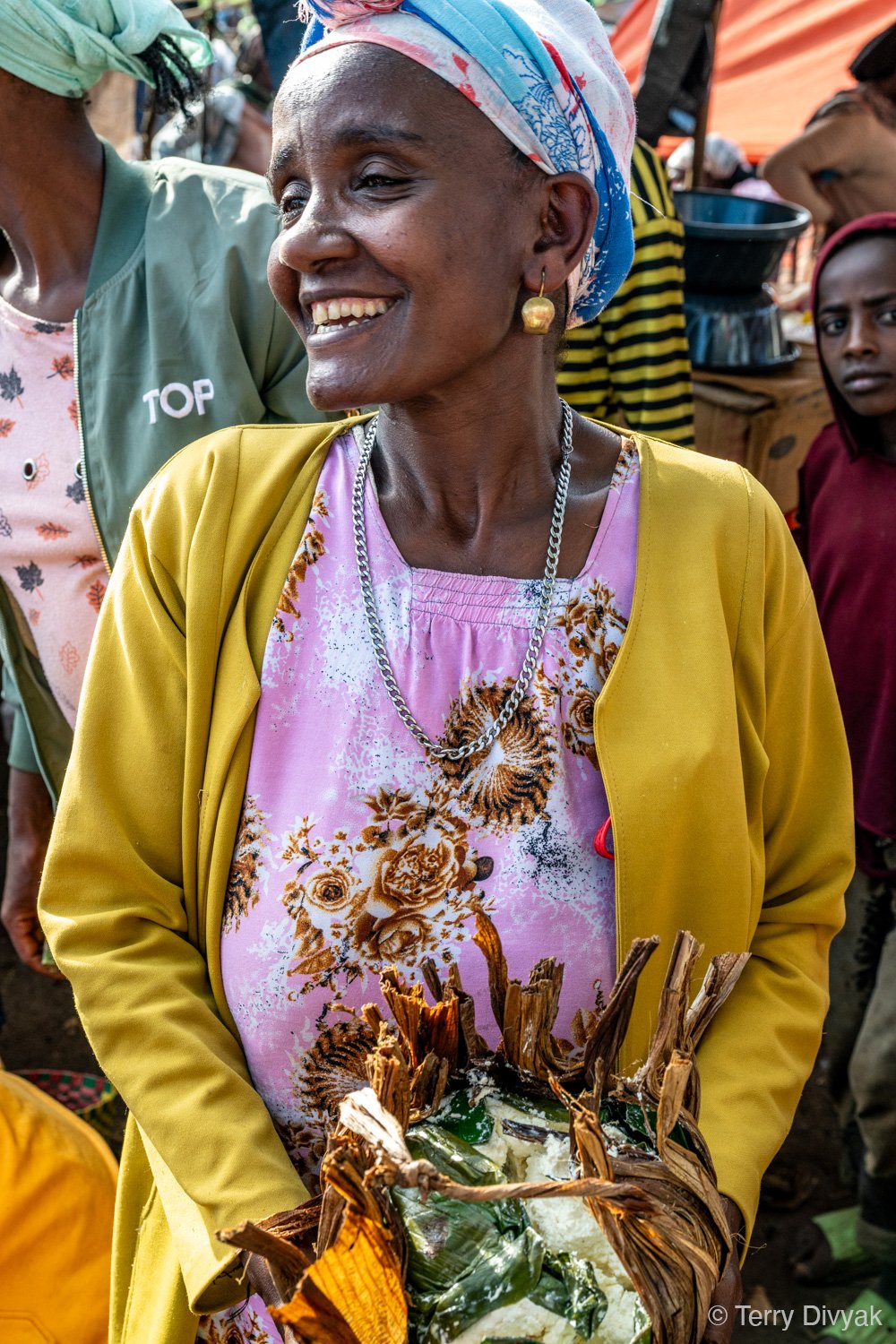
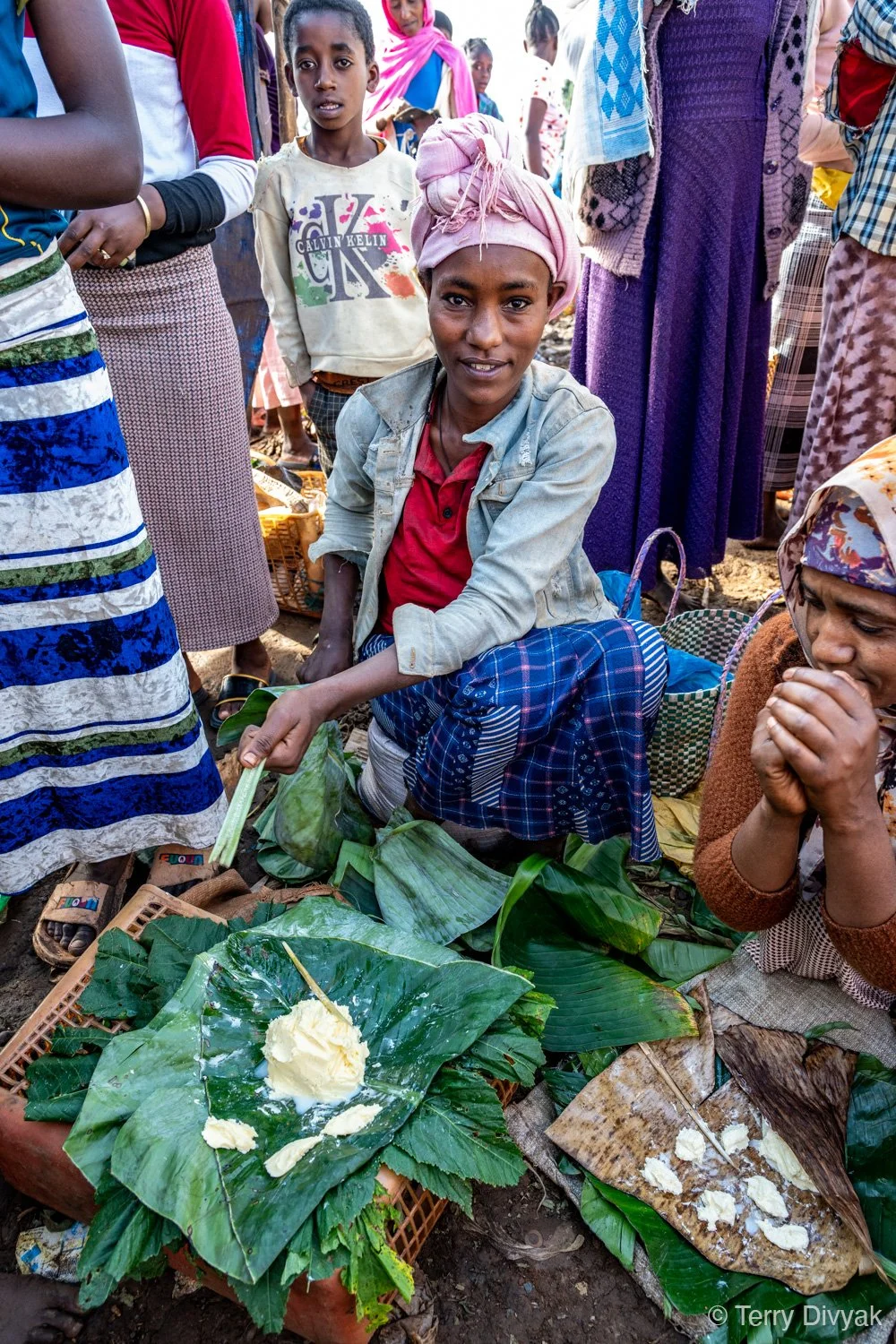
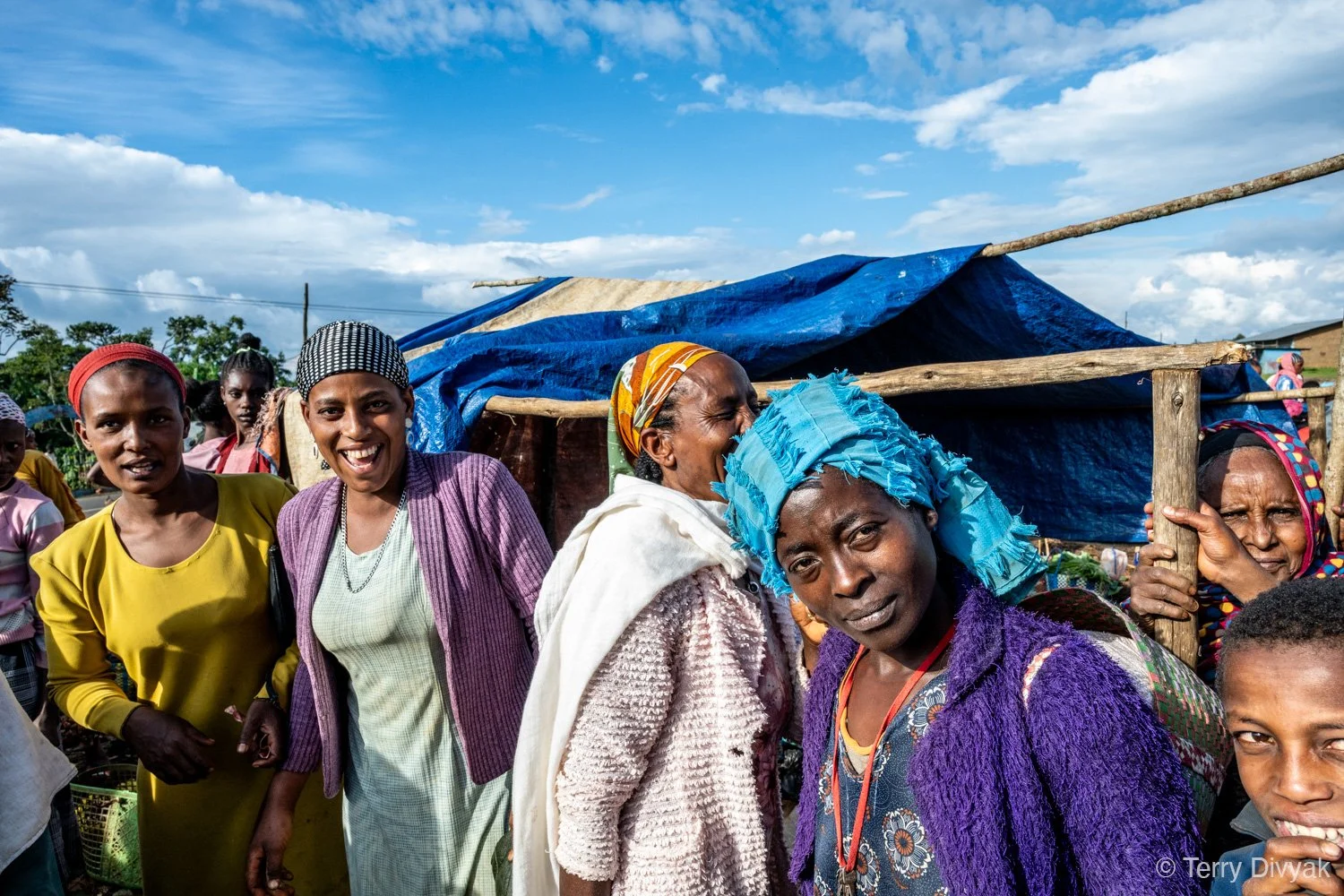
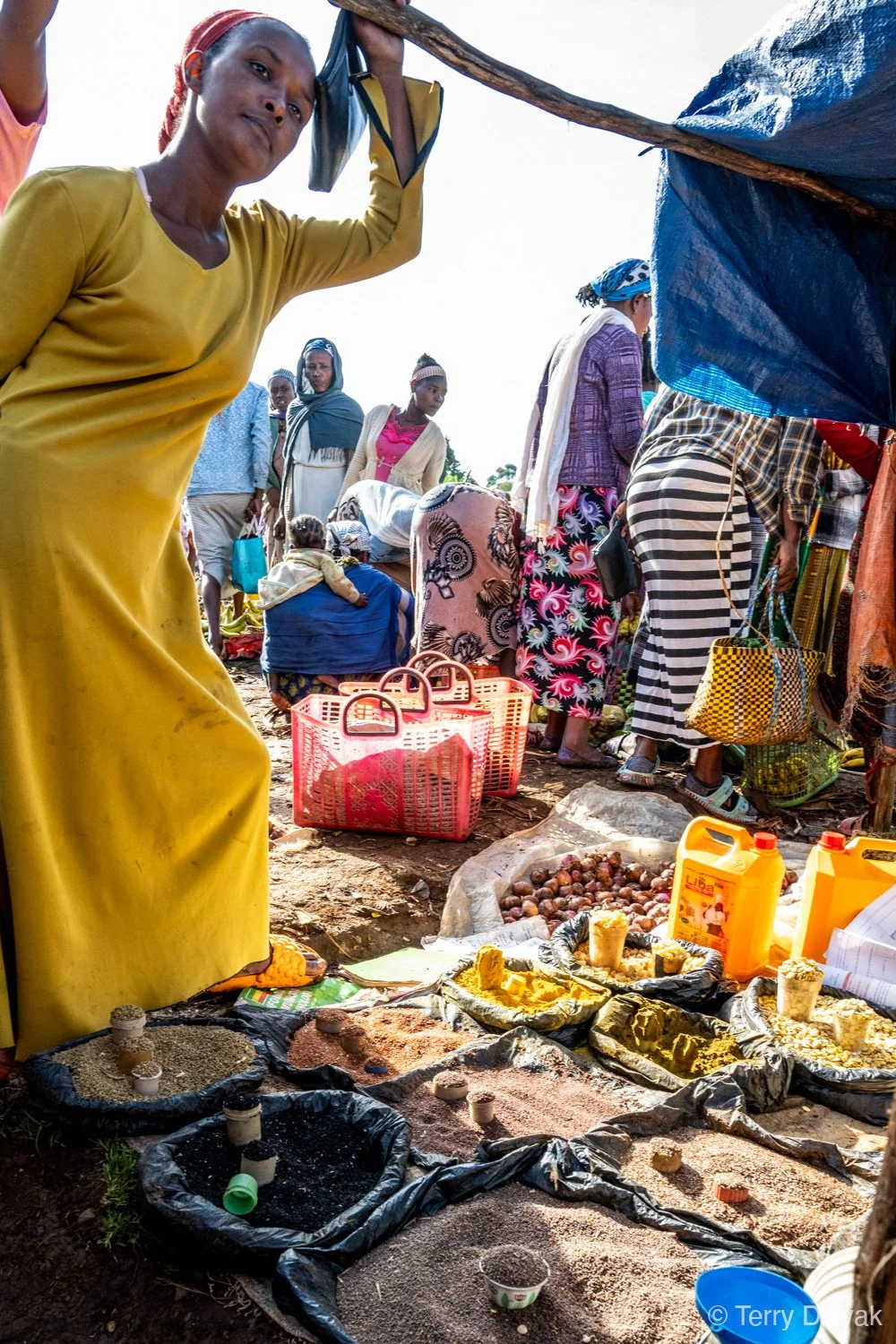
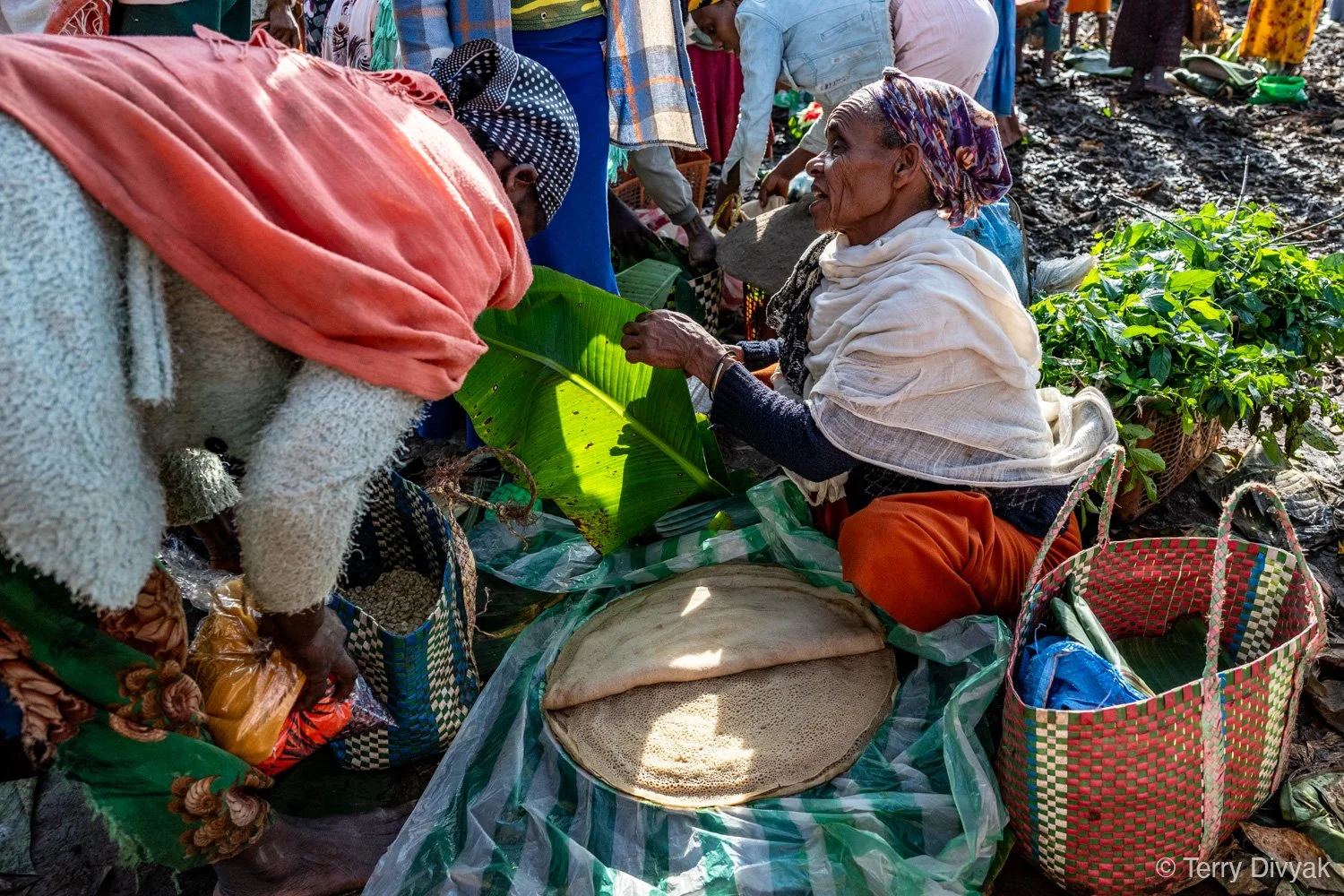
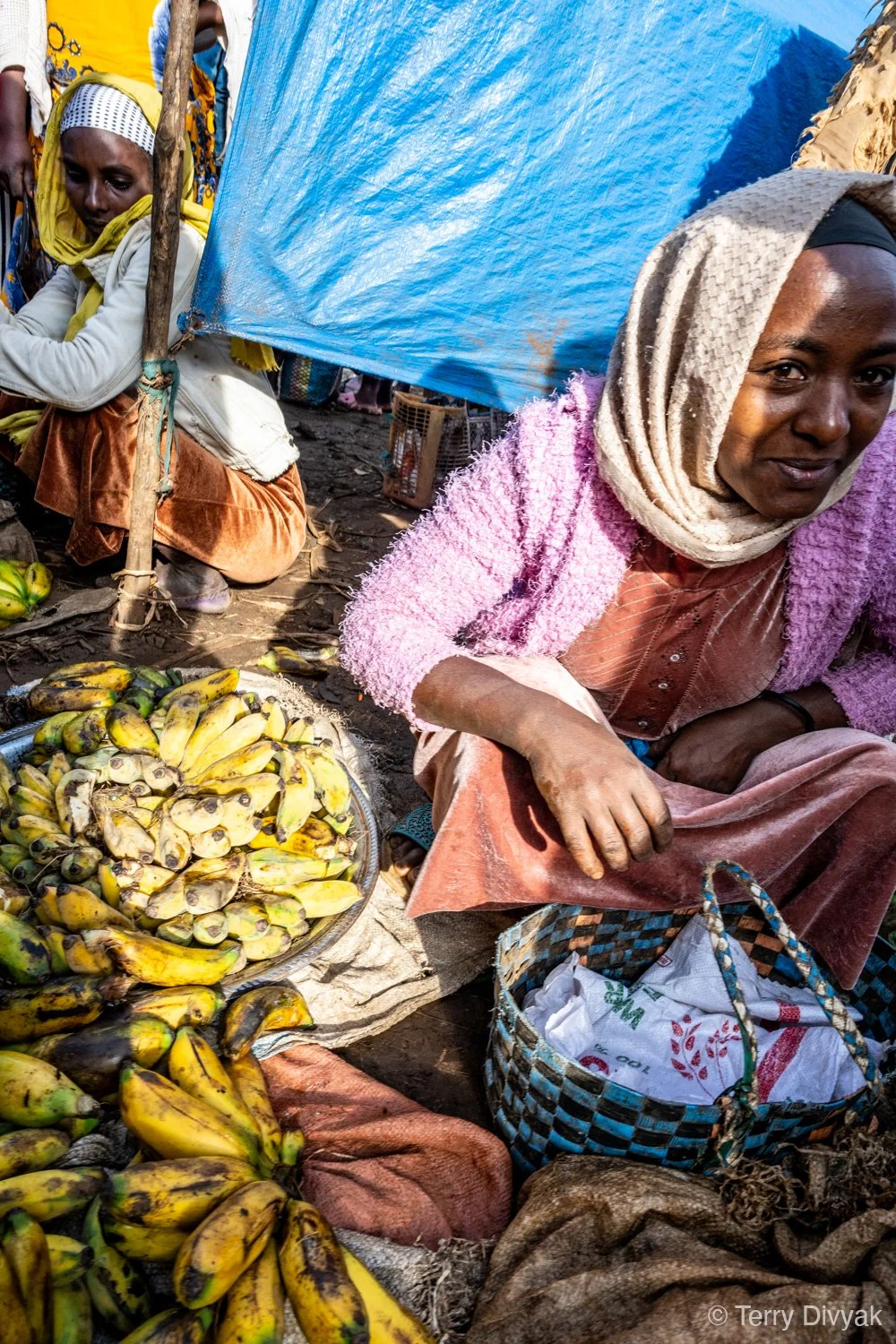
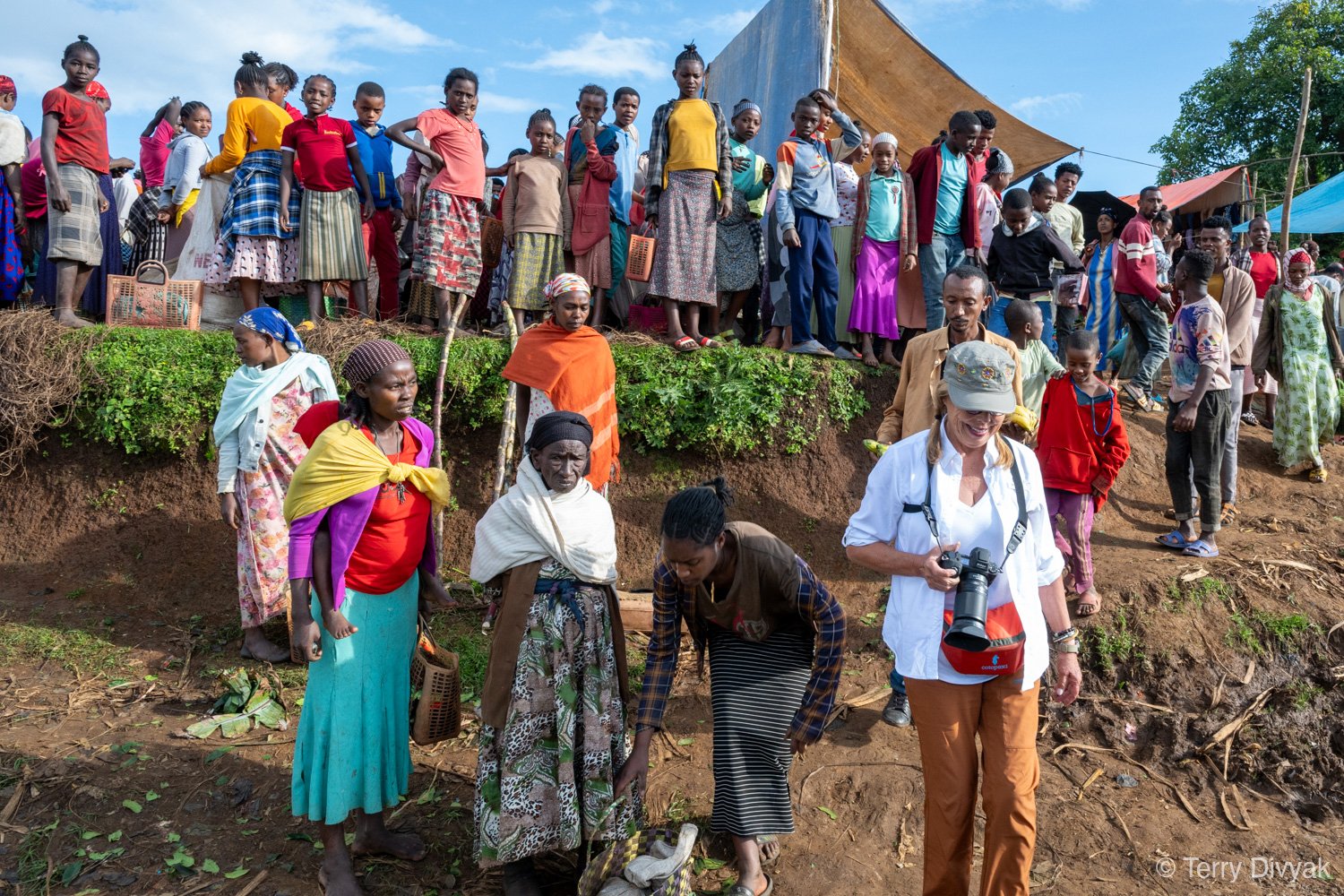
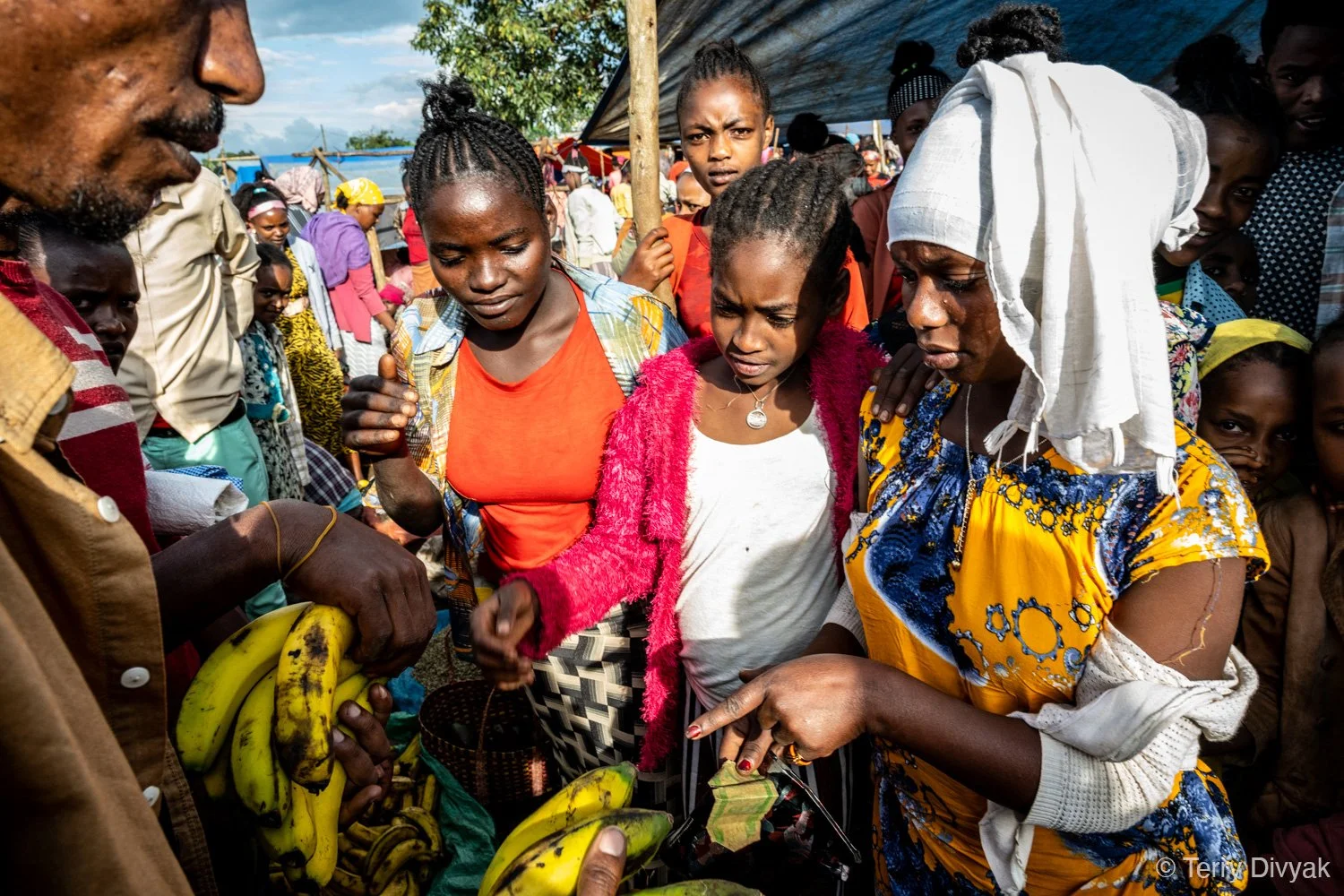
I hope you enjoy these images below; they were really fun to edit and revisit with fresh eyes. I’m considering putting together a video showing how I select my images, what I look for in cropping and storytelling, and some of the thought process I use when presenting my travel photos. I also still need to share, here on the blog, the images from the various tribes we visited and the deeper reasons behind our journey to the Omo Valley.
In the meantime, I’m grateful you’ve taken the time to come along on this part of the adventure with us.